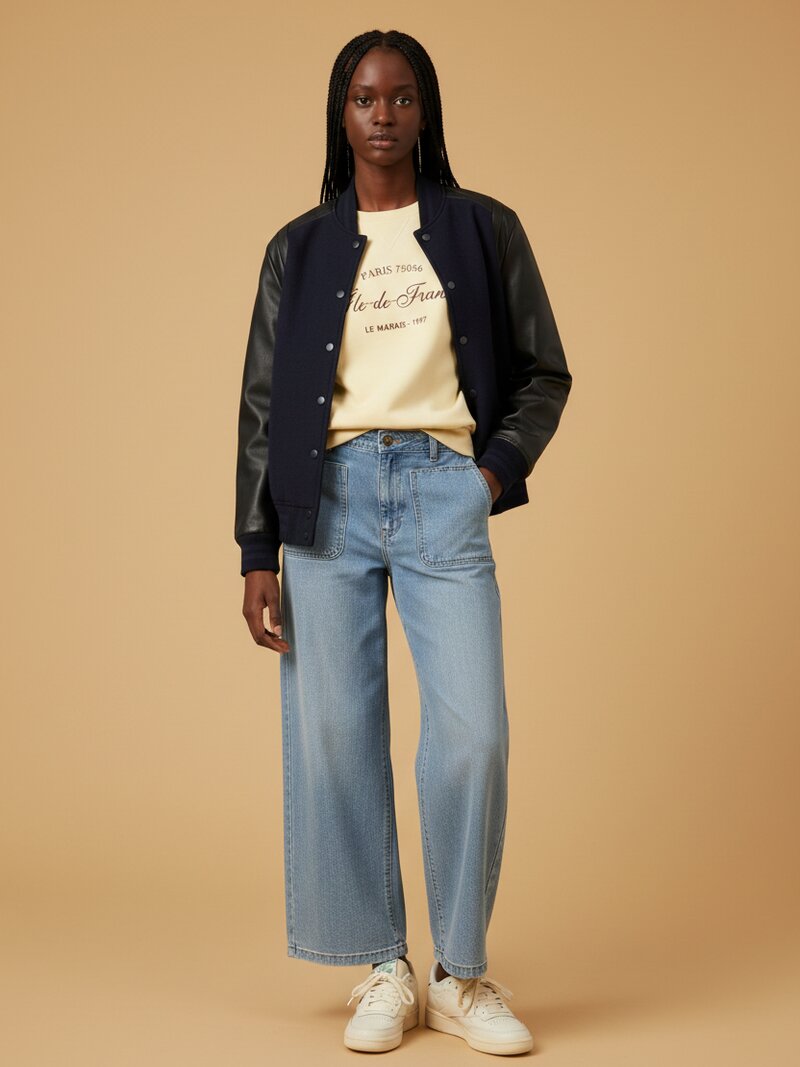
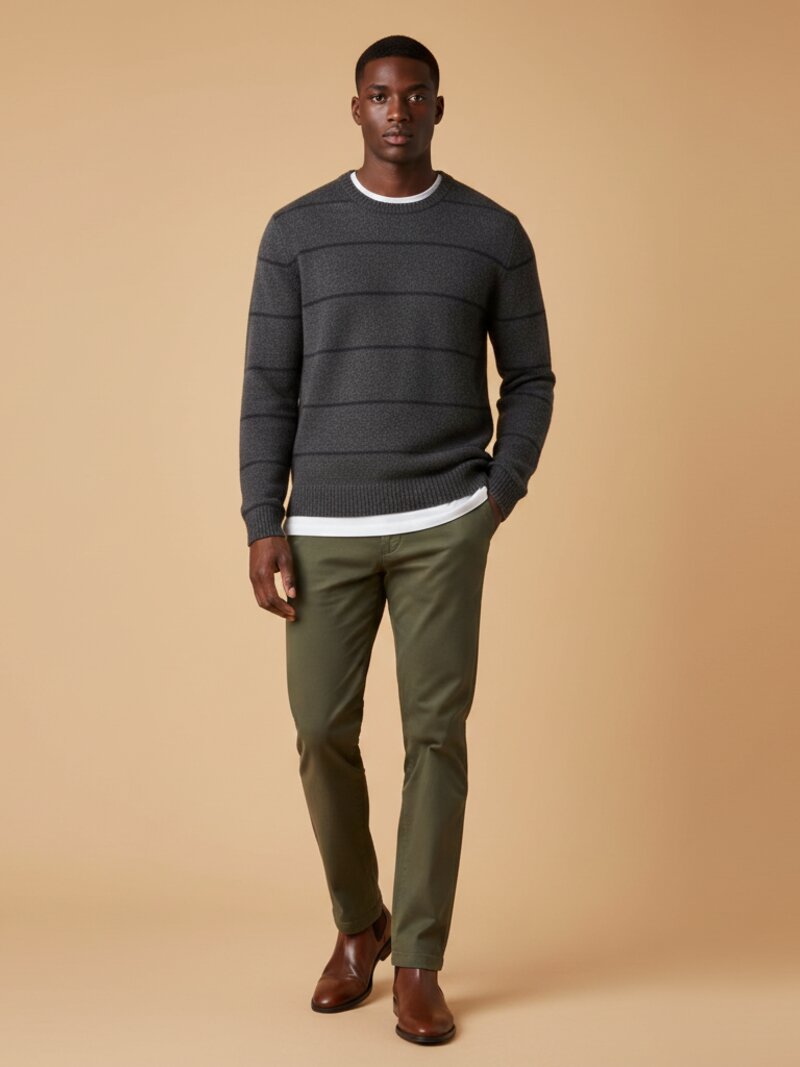
Fashion and technology have always had an uneasy relationship. The industry trades on creativity, intuition, and taste — qualities that resist quantification. Technology trades on data, patterns, and efficiency. For years, the intersection produced mostly gimmicks: smart fabrics that nobody bought, AR mirrors that felt more like amusement park attractions than useful tools.
Something shifted around 2024. The tools got quietly good. Not gimmicky, not futuristic — just genuinely useful in a way that changes daily habits rather than making headlines. Here are five changes that are already underway.
1. Your phone is becoming your stylist
The idea of a digital stylist has been around for years, mostly in the form of chatbots that ask your favourite colours and spit out generic Pinterest boards. The current generation is different because it's multimodal — it doesn't just ask about your clothes, it looks at them.
When you photograph a garment for a modern wardrobe app, the software doesn't just register "blue shirt." It analyses the shade, the fabric texture, the pattern (if any), the collar style, the cut. This level of visual understanding means outfit suggestions are based on what your clothes actually look like, not on text approximations.
The difference is subtle but significant. A text-based system treats all "navy tops" the same. A multimodal system understands that your navy silk blouse pairs very differently than your navy cotton crew neck — and suggests accordingly.
make this look from your own clothes
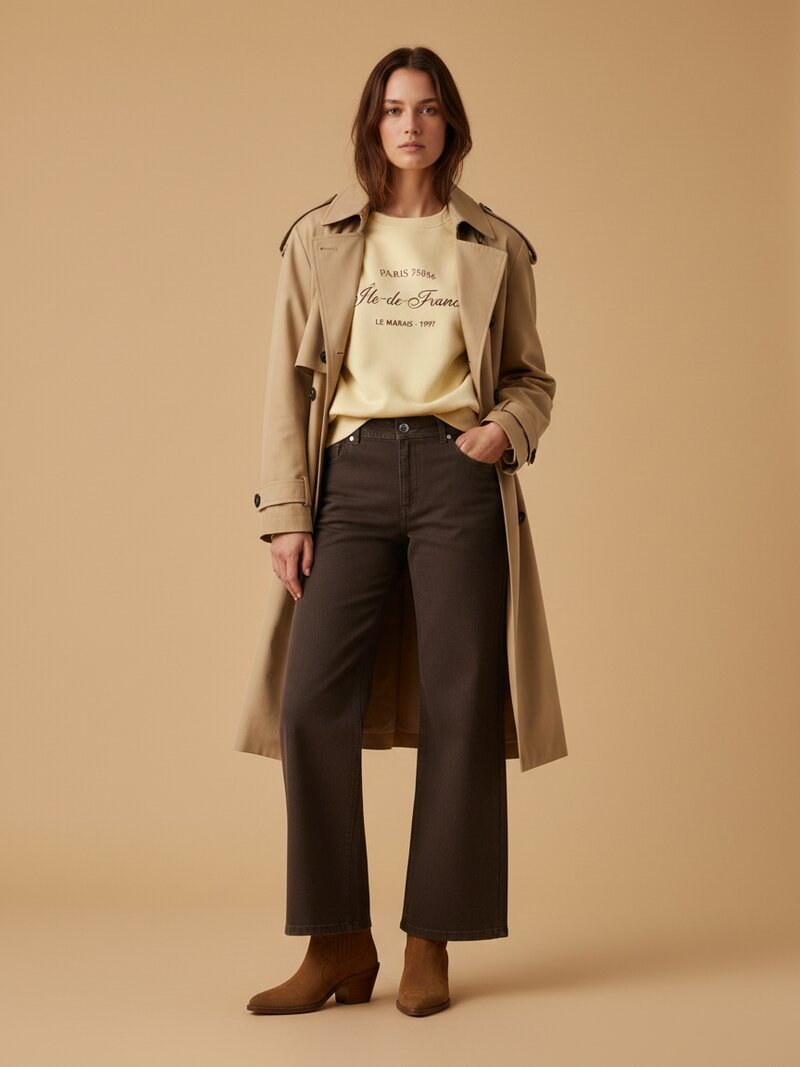
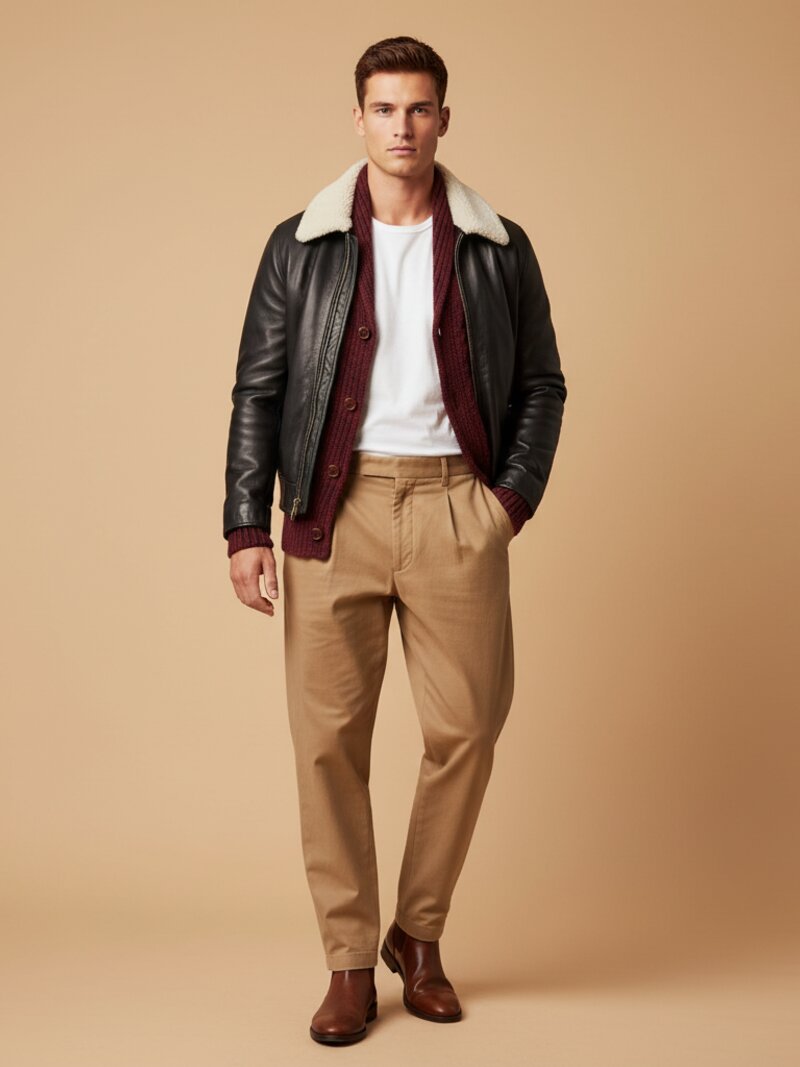
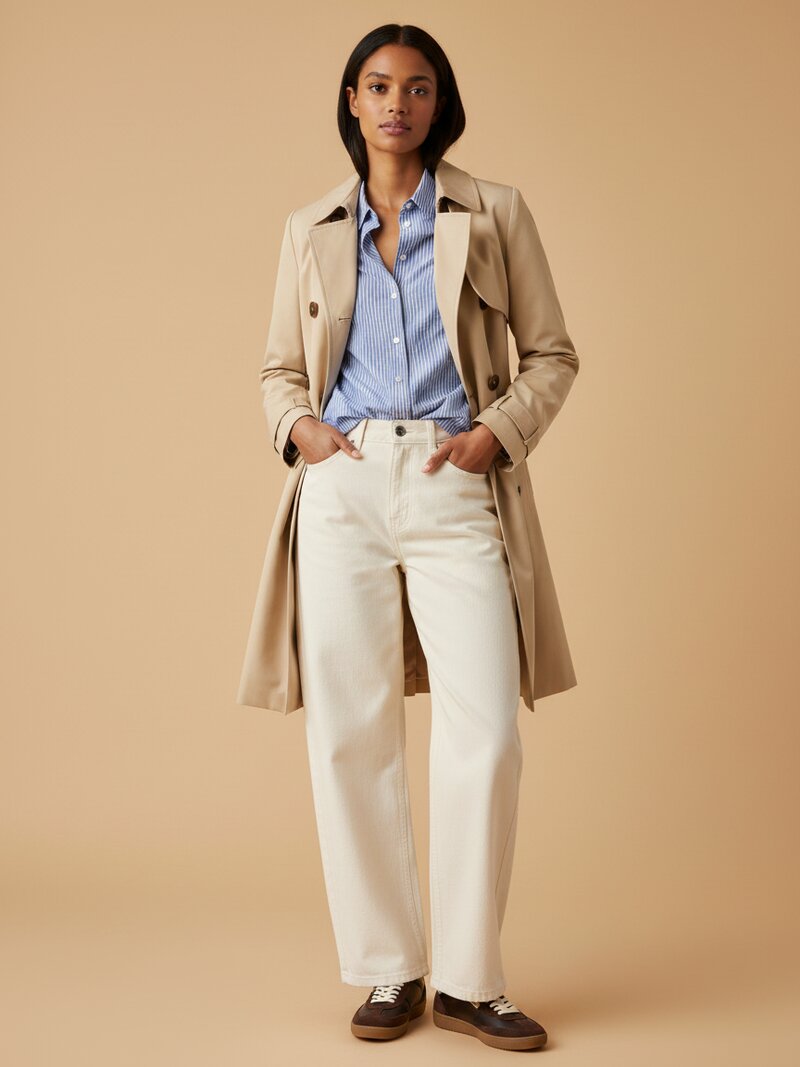
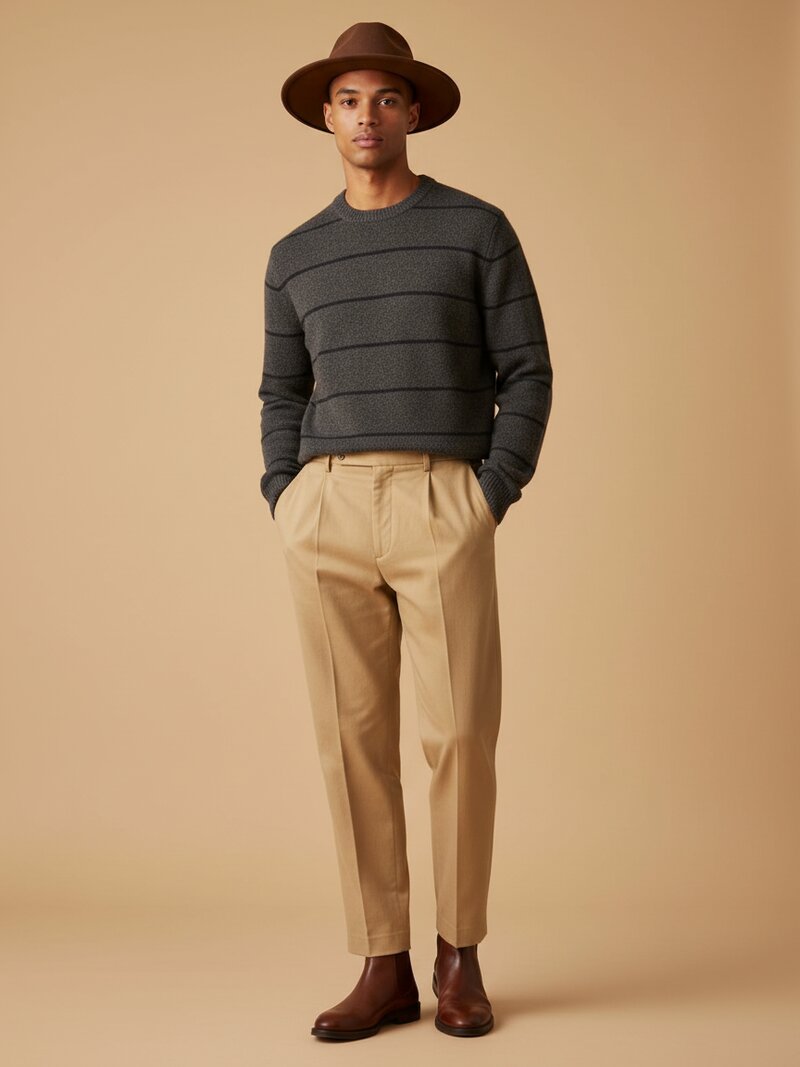
Stop scrolling generic looks. Snap your wardrobe, pick the occasion, and OutfitMaker builds the outfit from clothes you already own — then shows it on a model with Look Preview.
try it free2. Weather-aware dressing is becoming standard
Checking the weather before getting dressed is common sense. Translating the forecast into clothing decisions is where most people wing it. The new generation of wardrobe apps handles this translation automatically.
When you ask for an outfit suggestion, the software ingests the day's forecast — not just temperature, but wind, humidity, precipitation probability, and daily temperature arc. The recommendation already accounts for the fact that it's 10°C at your 8 AM commute and 17°C at your noon lunch break. It suggests layers accordingly.
This sounds like a minor feature. In practice, it eliminates one of the most common outfit regrets: being over- or under-dressed for the actual conditions.
3. Virtual try-on is reaching a useful threshold
Virtual try-on technology has been clunky for years — distorted proportions, uncanny rendering, results that looked nothing like reality. The current generation, powered by diffusion models, has crossed a threshold into genuine usefulness.
The best implementations let you see a complete outfit rendered on an AI model with a similar body type before you put the clothes on. It's not photorealistic in the way a professional photo shoot is, but it's accurate enough to evaluate whether a combination works visually.
For online shopping, the implications are significant. Seeing how a prospective purchase would look alongside pieces you already own — before buying it — could meaningfully reduce return rates, which currently hover around 30% for online fashion purchases.
4. The "Complete the Look" recommendation is replacing browsing
Traditional fashion e-commerce works on browsing: you scroll through hundreds of items, hoping something catches your eye. The emerging model is contextual recommendation — the app identifies what's missing from your wardrobe and suggests specific pieces to fill that gap.
This is different from "you might also like" algorithms that recommend similar items to what you just viewed. Contextual recommendation understands your existing wardrobe as a system and identifies the specific piece that would create the most new outfit combinations.
The result is a shift from impulse shopping ("this looks nice") to strategic shopping ("this piece would unlock seven new outfits with clothes I already own"). The psychological shift from browsing to targeted purchasing is likely to reshape how fashion retail works online.
5. Sustainability through visibility
The fashion industry's sustainability crisis has been well documented: 92 million tonnes of textile waste annually, roughly 10% of global carbon emissions. Most proposed solutions focus on the supply side — better materials, more ethical production, circular fashion models.
What's emerging now is a demand-side intervention that's far simpler: helping people wear what they already own. Digital wardrobes make overconsumption visible. When you can see that you own eight black tops and have worn two of them in the past year, the urge to buy a ninth diminishes naturally.
Research from Heriot-Watt University confirms the mechanism: users of wardrobe management apps consistently buy fewer new items and wear existing items more frequently. The technology doesn't preach sustainability — it creates the conditions where sustainable behaviour happens organically.
What hasn't changed
Fashion is still personal. Technology hasn't replaced taste, and it won't. What it's done is remove the logistical friction — the forgetting, the guessing, the morning indecision — so that personal taste can operate more freely.
The best-dressed person in any room isn't the one with the most expensive clothes. It's the one who knows what they own and wears it with intention. In 2026, technology is making that easier than it's ever been.
See what AI styling looks like in practice. Try OutfitMaker.ai free — your wardrobe, upgraded.