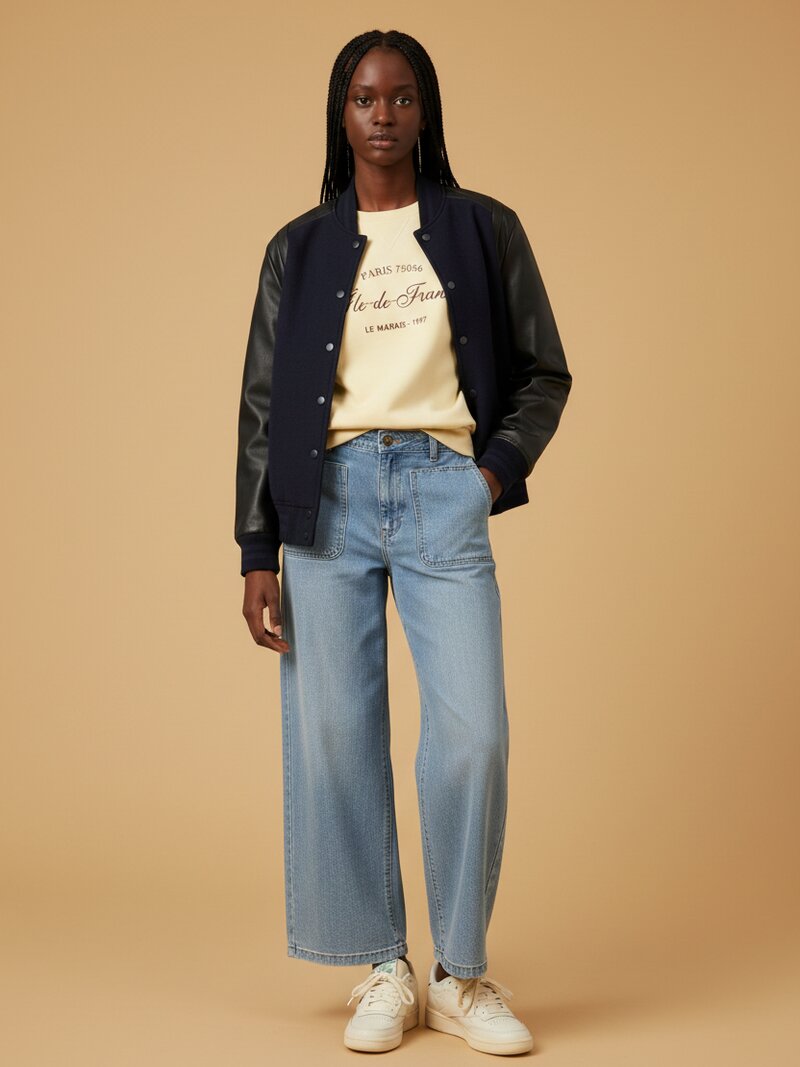
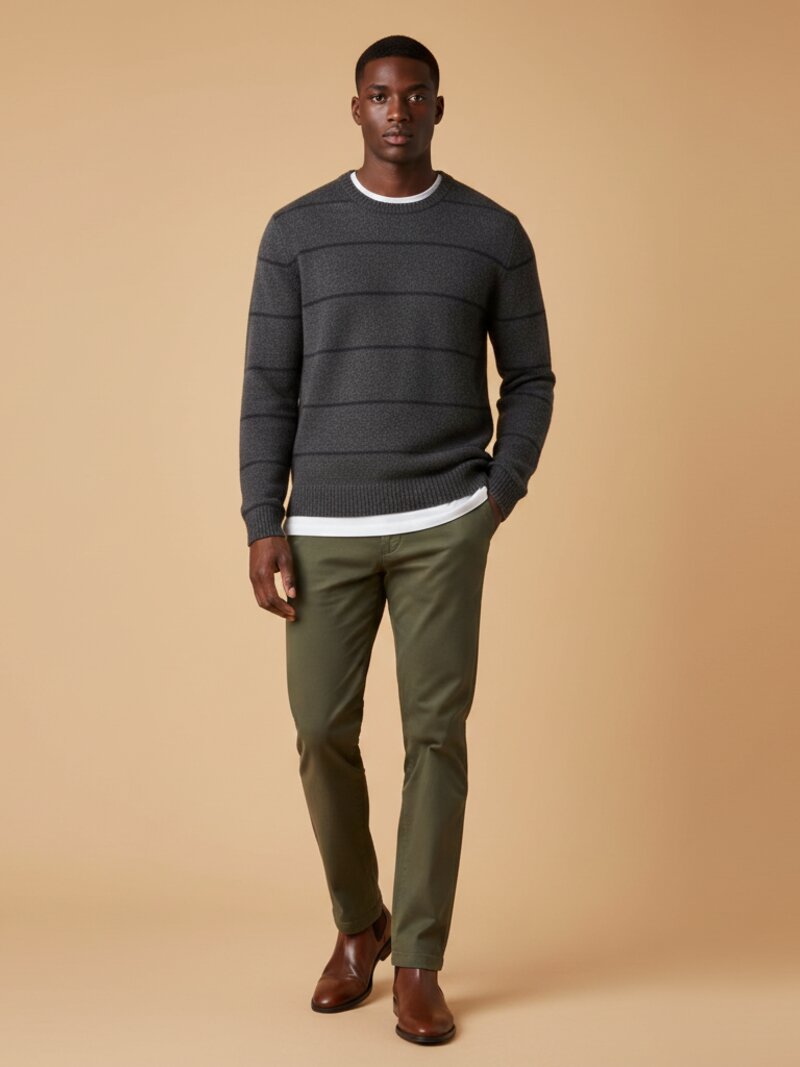
If you've ever searched for a wardrobe app and felt like the entire category was designed for someone who isn't you, you're not imagining it. The vast majority of digital closet tools — the branding, the imagery, the default style categories — skew heavily toward women. Which is odd, because the "nothing to wear" problem is gender-neutral.
Men face a slightly different version of it. The average man's wardrobe is smaller and less varied, which should make outfit selection easier. In practice, it makes it harder. Fewer pieces means fewer combinations, and less variety means higher risk of falling into a rotation of the same three outfits on repeat.
The result is a kind of resigned uniformity. Dark jeans. A safe shirt. Those shoes. Every day, slight variations on a theme. Not bad, just boring. And the boring part nags.
The male wardrobe paradox
Men's fashion is simultaneously simpler and trickier than women's. Simpler because the conventions are narrower — a smaller number of garment types, more standardized fits, fewer acceptable colour palettes in most professional environments. Trickier because those narrow margins mean the difference between "well put together" and "just fine" comes down to details: the right shade of blue, the correct trouser break, whether the jacket is structured or relaxed enough for the context.
These are nuance decisions. And nuance is exactly what most men don't have the vocabulary (or the interest) to articulate. You know when an outfit works. You can't always explain why.
This is where computational styling becomes genuinely useful. The software isn't working from rules about men's fashion — it's working from your actual clothes and their visual properties. It doesn't need you to know that your navy chinos are a "cool-toned mid-rise straight leg." It just needs to see them.
make this look from your own clothes
Stop scrolling generic looks. Snap your wardrobe, pick the occasion, and OutfitMaker builds the outfit from clothes you already own — then shows it on a model with Look Preview.
try it freeWhat the app sees that you don't
When a wardrobe app analyses a photograph of a men's grey wool blazer, it's processing several things simultaneously: the specific shade of grey (warm or cool), the texture (smooth worsted or nubby tweed), the structure (soft shoulder or padded), and the formality level (can this dress down with jeans, or does it demand dress trousers?).
These attributes determine which other pieces in your wardrobe are compatible. Your grey blazer might work beautifully with your olive chinos and white leather sneakers for a smart-casual Friday — a combination you'd never attempt because in your mental model, blazers go with dress shoes. The software has no such preconceptions. It evaluates compatibility on visual and contextual merit, not habit.
For men especially, where the comfort zone is narrow, these unexpected suggestions are where the value lies. Not radical reinvention — just discovering that the clothes you already own have more range than you've been using.
The practical guy's approach
You don't need to be interested in fashion to benefit from this. In fact, the less interested you are, the more valuable it becomes. The ideal user isn't someone who reads style blogs. It's the guy who wants to look appropriate, maybe even good, with minimum time investment.
The setup takes about twenty minutes for a typical men's wardrobe (which tends to have 40-60 items in regular rotation — fewer than the average women's wardrobe). Photograph the items, let the software tag them, and start getting suggestions.
The daily interaction is under a minute. Open, see options, pick one, close. There's nothing to learn, no style quiz to agonize over, no vocabulary to acquire. The software works with what you have and shows you what works.
Where men especially benefit
Three specific areas where outfit planning tools add disproportionate value for men:
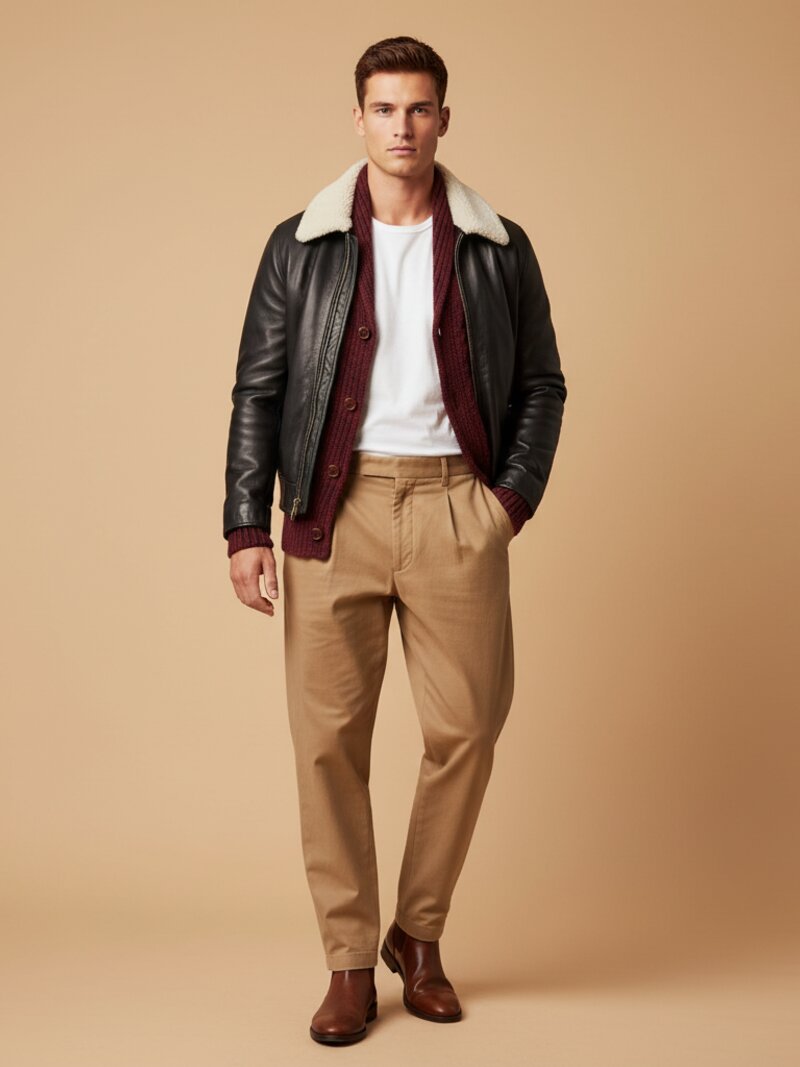
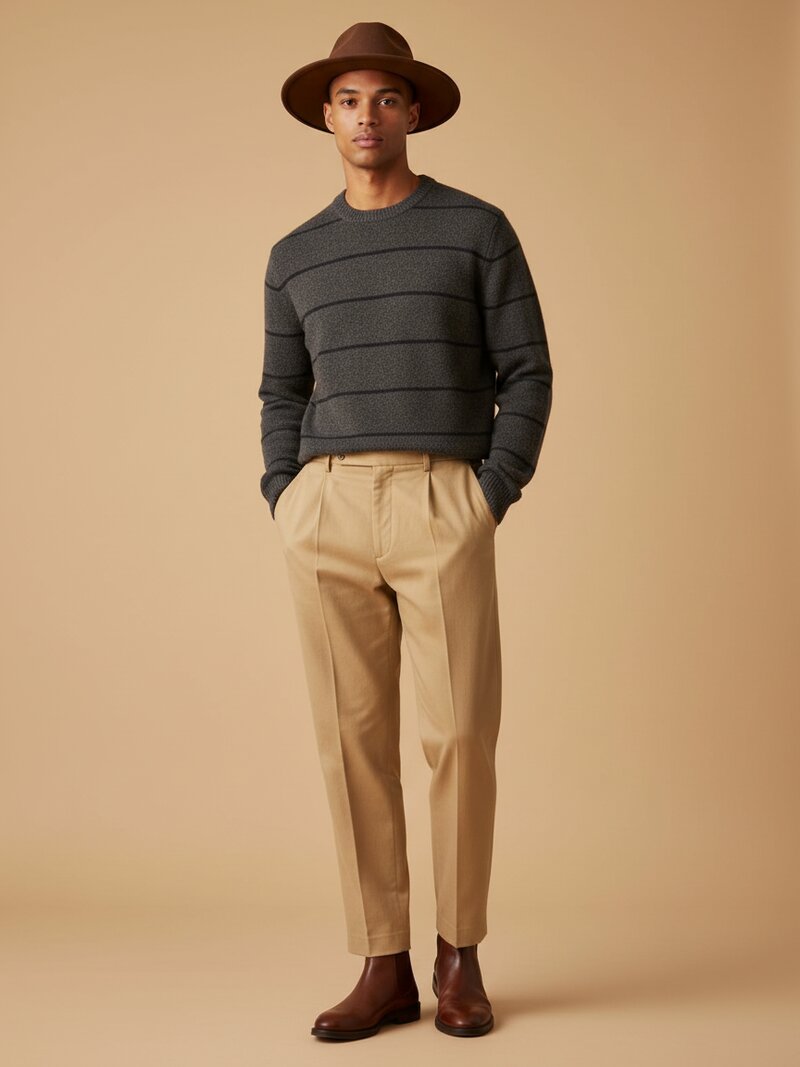
The smart-casual zone. The most universally dreaded dress code. Too casual and you look underprepared. Too formal and you look like you're trying too hard. Software that understands the formality level of each piece in your wardrobe can navigate this zone with precision. It won't pair your boardroom blazer with your weekend trainers — but it might pair your unstructured cotton blazer with your clean leather sneakers and dark jeans, which is exactly right.
Travel packing. Men tend to either overpack (bringing options for scenarios that won't happen) or underpack (three t-shirts and hope for the best). A wardrobe app can show you the minimum number of pieces needed to create a specific number of outfits for a trip, optimizing for versatility and weather.
Gradual upgrades. When you can see your entire wardrobe and identify which pieces appear in the most outfit combinations, you know where to invest. If your navy chinos appear in 12 different outfits and your beige ones appear in 2, the next purchase should probably be trousers in a more versatile colour — not another jacket you don't need.
The confidence factor
There's research suggesting that clothing choices affect cognitive performance. A 2012 study published in the Journal of Experimental Social Psychology — famously titled "Enclothed Cognition" — found that people who wore clothes they associated with competence performed better on attention-related tasks.
The implication for men is straightforward: looking put-together isn't vanity. It's a performance tool. And if software can help you look more put-together with zero additional effort, the return on investment is hard to argue with.
You don't need to become someone who cares about fashion. You just need a system that handles it so you don't have to think about it.
Your wardrobe, optimized in 20 minutes. Try OutfitMaker.ai free — works for guys, no style expertise required.