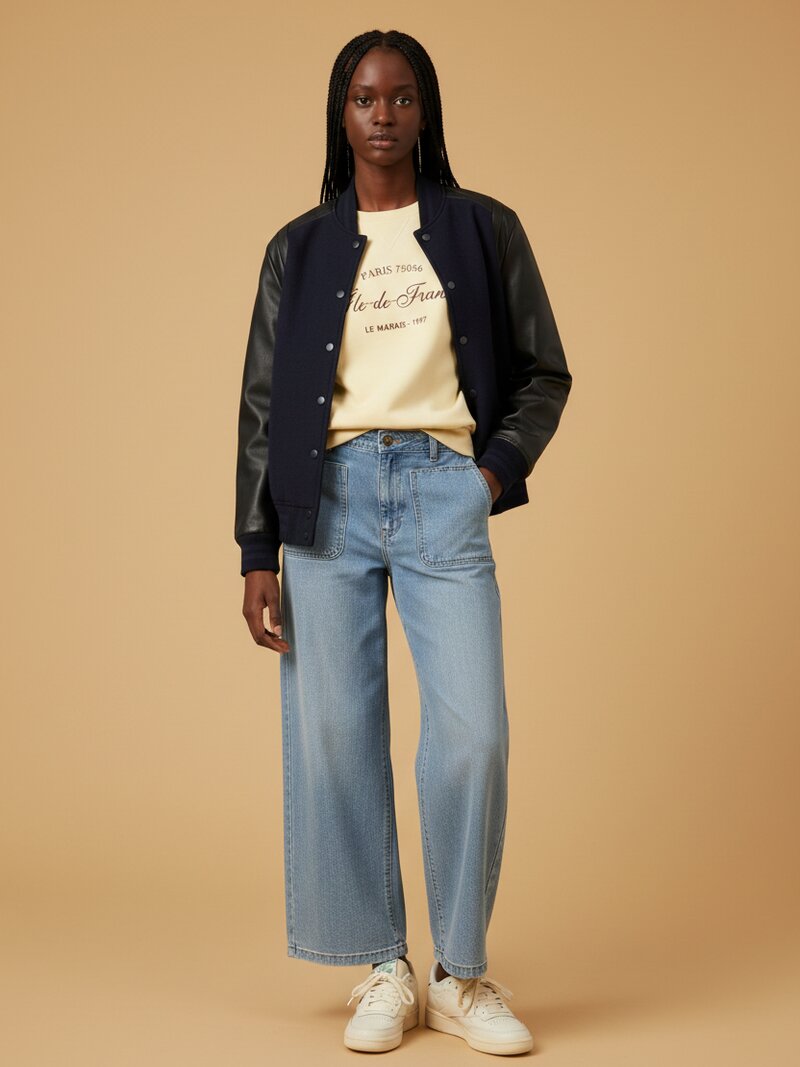
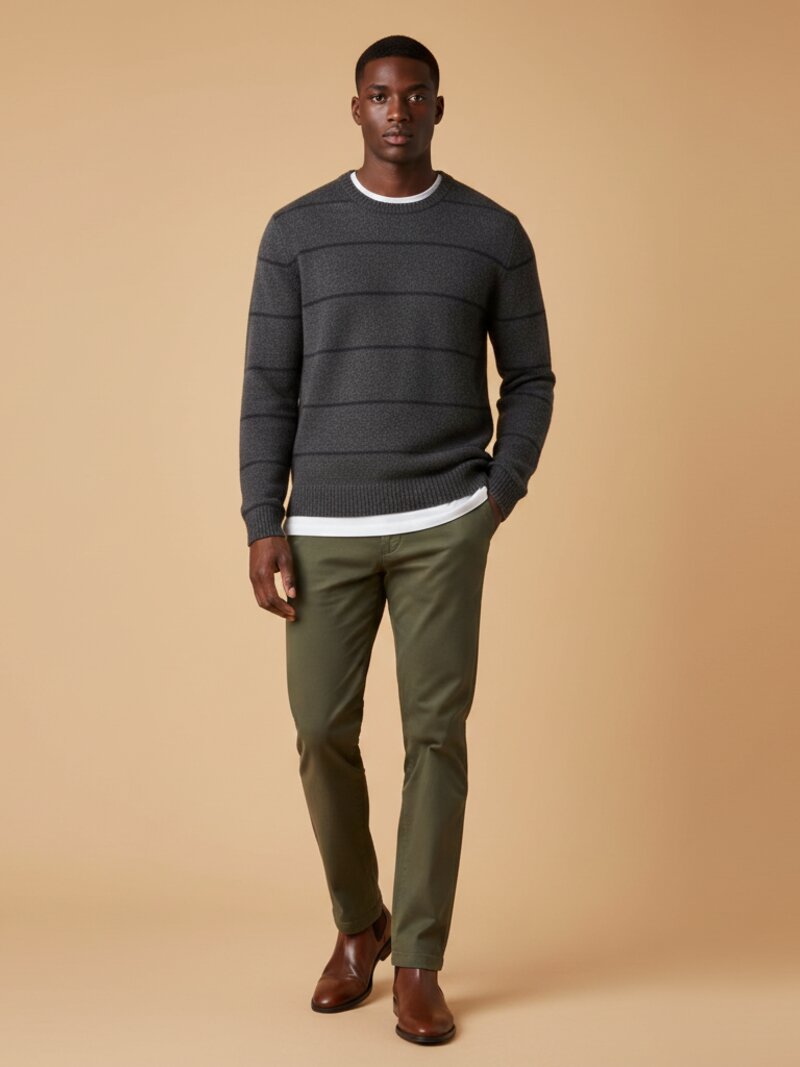
April in Paris is supposed to be mild. So you pack light layers for your week in France — a cotton blazer, a few linen shirts, canvas sneakers. Then you land to 8°C and horizontal rain that doesn't let up for three days. Your wardrobe is a mismatch. You're cold, damp, and overdressed for the wrong scenario.
This is the problem with seasonal dressing. Seasons are averages. Days are specific. And the gap between the two is where most outfit mistakes happen.
You've experienced it at home too. That morning in October when it's 18°C at sunrise and 7°C by evening. The summer day when unexpected rain turns your suede shoes into a disaster. The spring afternoon when the wind makes 15°C feel like 10°C.
Dressing for the day — not the calendar — sounds obvious. But until recently, actually doing it required checking multiple sources and translating meteorological data into clothing decisions. What does "60% chance of rain" mean for shoe selection? When does "wind chill 12°C" warrant a scarf?
These translations are exactly the kind of thing software handles well.
The problem with seasonal wardrobes
Traditional fashion advice organizes wardrobes by season. Spring calls for pastels and light layers. Summer means linens and sandals. Autumn brings earthy tones and boots. Winter is wool, cashmere, and dark palettes.
This framework works for editorials and lookbooks, where the goal is aesthetic coherence. For daily life, it's a blunt instrument. Climate reality doesn't follow a four-act structure. In London, March can swing from 4°C to 16°C within the same week. In Madrid, November often feels more like what other cities call early autumn. In Stockholm, the difference between a sunny April day and a cloudy one can be 12 degrees.
Microseasons — those transitional periods where the weather genuinely changes day-to-day — are where most people struggle. You can't dress "for spring" when spring itself can't decide what it is.
make this look from your own clothes
Stop scrolling generic looks. Snap your wardrobe, pick the occasion, and OutfitMaker builds the outfit from clothes you already own — then shows it on a model with Look Preview.
try it freeThe morning forecast problem
Checking the weather before getting dressed is standard advice. But interpreting it for clothing choices involves more variables than most people process consciously.
Temperature is the obvious one, but it's not the full picture. Humidity changes how fabrics feel against skin — cotton breathes in dry heat but clings in humidity. Wind speed makes a 15°C day feel dramatically different depending on whether it's calm or gusting at 30 km/h. UV index matters for exposed skin, even on days that feel cool. Precipitation probability determines shoe choice and whether you need a water-resistant outer layer.
Then there's the daily arc. Morning commute temperature, midday peak, evening drop. If you leave the house at 7°C and return at 16°C, layering strategy matters more than the individual garments.
Professional meteorologists have a term for this: "sensible weather." It's the weather you actually experience, as opposed to what the instruments record. Dressing well is about responding to sensible weather — the combination of temperature, wind, humidity, and conditions that your body actually feels.
Weather-aware dressing, automated
This is where wardrobe technology has made a genuine leap. Modern outfit suggestion tools ingest real-time weather data — not just temperature, but the full picture — and factor it into their recommendations.
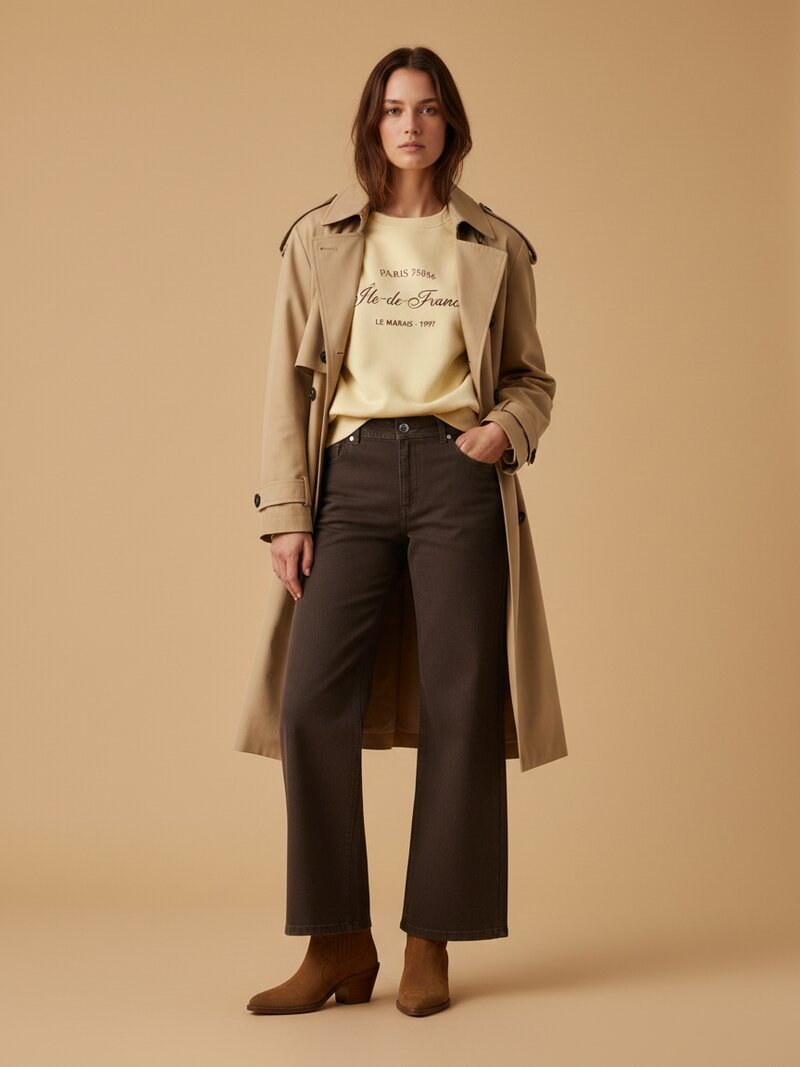
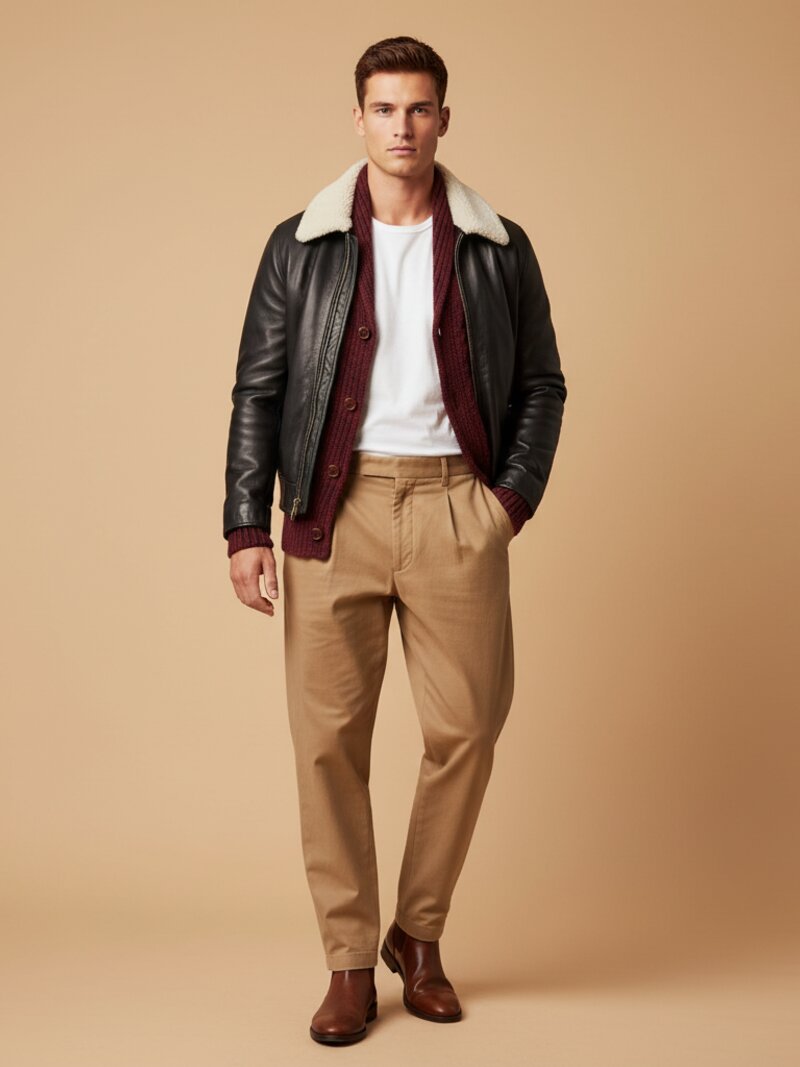
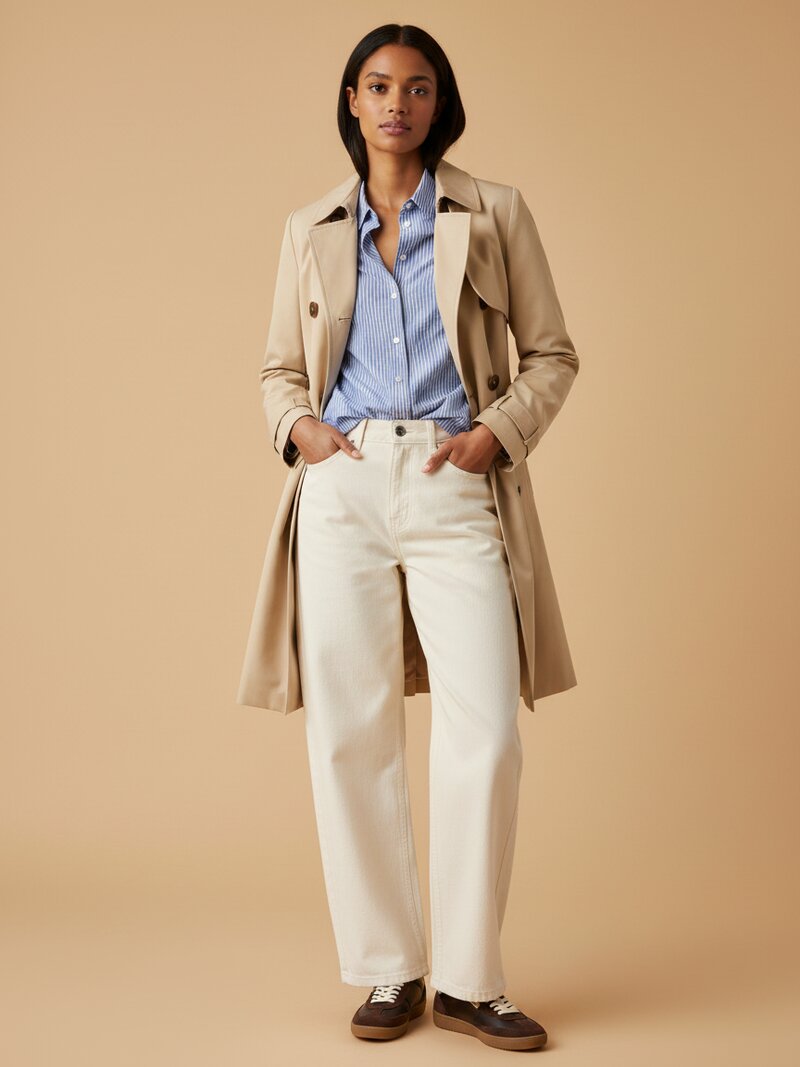
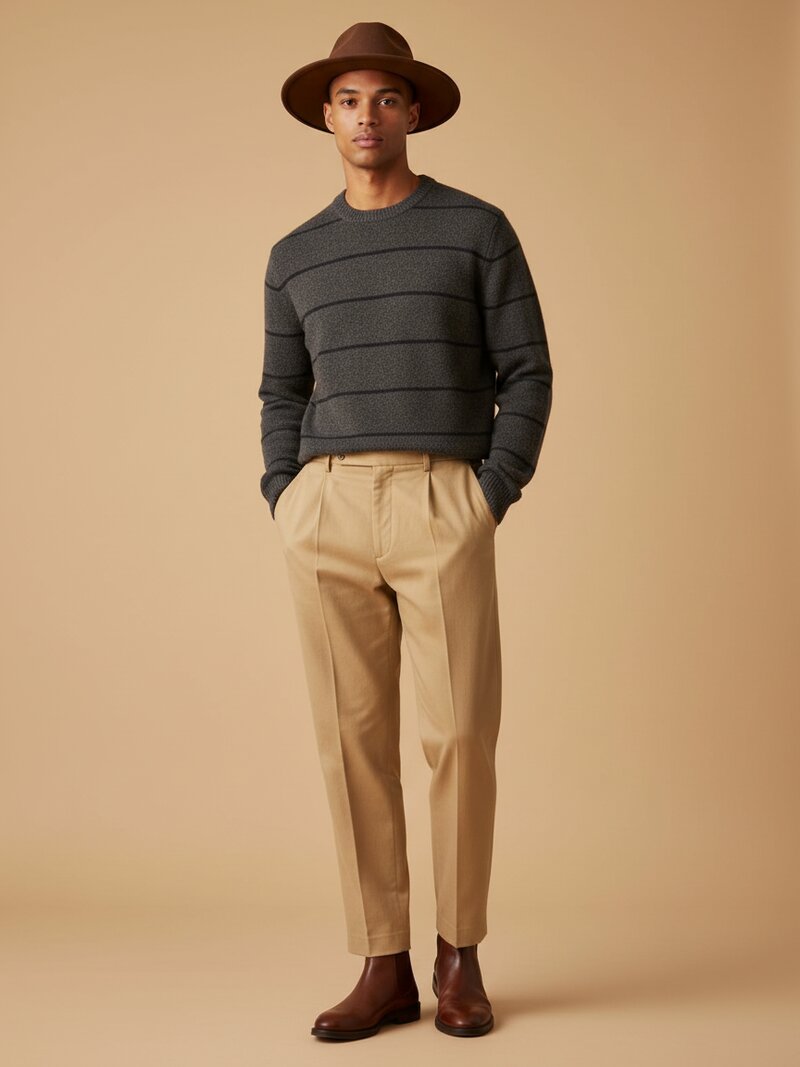
The process is invisible to you. You open the app, tap for an outfit suggestion, and the recommendations already account for the fact that it's 11°C with moderate wind and a 70% chance of afternoon rain. The app doesn't suggest your linen trousers. It suggests your darker-wash jeans, your layerable merino sweater, and your boots instead of your canvas sneakers.
The value isn't in any single recommendation — you could probably arrive at the same outfit yourself if you thought about it carefully. The value is in removing the cognitive load. You don't need to check the forecast, mentally convert it to clothing implications, then scan your wardrobe for appropriate options. The software collapses all three steps into one.
Layering: the underrated skill
The single most practical clothing skill for variable weather is layering. And it's the skill most people get wrong — not because it's difficult, but because it requires thinking about clothing as a system rather than individual pieces.
Effective layering follows a simple architecture. A base layer sits against the skin and manages moisture. A mid layer provides insulation. An outer layer handles wind and rain. When all three work together, you can adapt to a wide temperature range without changing your outfit.
The mistake most people make is treating each layer independently — grabbing whatever top feels right, then whatever jacket is nearest the door. The result is often too warm or too cold, with no middle ground because the layers don't interact well.
Weather-aware outfit tools naturally account for layering. When the forecast shows a 12-degree temperature swing between morning and afternoon, the suggestion will include a removable layer rather than a single heavy piece. The system thinks about your day as a whole, not just the moment you leave the house.
Regional considerations
Weather-based dressing is not universal. The same 15°C day means something different in different climates.
In Mediterranean regions — southern Spain, Italy, southern France — 15°C is genuinely cool. Locals reach for light wool and closed-toe shoes. In Scandinavia, 15°C is a beautiful spring day that calls for lighter layers and possibly even a café terrace. In the United Kingdom, 15°C is a dice roll: it could be pleasant sunshine or grey drizzle, often both in the same afternoon.
Good weather-aware tools account for this. A suggestion engine that knows you're in Barcelona treats 15°C differently than one that knows you're in Bergen. It's not just about the number — it's about the local context and what "normal" feels like in your climate.
The shoe question
If there's one clothing decision where weather data has the most impact, it's shoes. Footwear is the hardest to change mid-day, the most affected by precipitation, and the most commonly regretted choice in unpredictable conditions.
The logic is simple but people ignore it surprisingly often: if there's a meaningful chance of rain, suede and canvas are poor choices. If the temperature drops below 10°C, unlined shoes will leave you cold by evening. If you're walking more than 20 minutes, comfort beats aesthetics.
Weather-aware outfit tools tend to be particularly strong on footwear recommendations because the decision tree is more rule-based than other garments. Rain plus walking equals waterproof. Cold plus standing equals insulated. Warm plus casual equals breathable. These rules compound into surprisingly helpful suggestions.
Beyond the forecast
The most sophisticated weather-aware systems combine forecast data with contextual factors. If you've told the app you have an outdoor meeting at 2 PM, it weights afternoon conditions more heavily than morning. If you're commuting by bicycle, wind speed becomes more important. If you're traveling between cities, it might account for both departure and arrival weather.
This isn't science fiction — it's the natural evolution of connecting weather APIs to wardrobe data. The building blocks already exist. The intelligence is in how they're combined.
A simpler morning
The end result is mundane in the best way possible. You wake up, check your outfit suggestions, see that today calls for your mid-weight jacket and your waterproof boots, and get dressed in under a minute. At 4 PM, when the rain starts as predicted, you're appropriately dressed while the person next to you at the bus stop shivers in a cotton blazer and canvas sneakers.
The technology didn't make you more fashionable. It made you more prepared. And on a cold, wet Tuesday afternoon, prepared beats fashionable every time.
Get outfit suggestions that account for today's weather. Try OutfitMaker.ai free — your wardrobe meets the forecast.