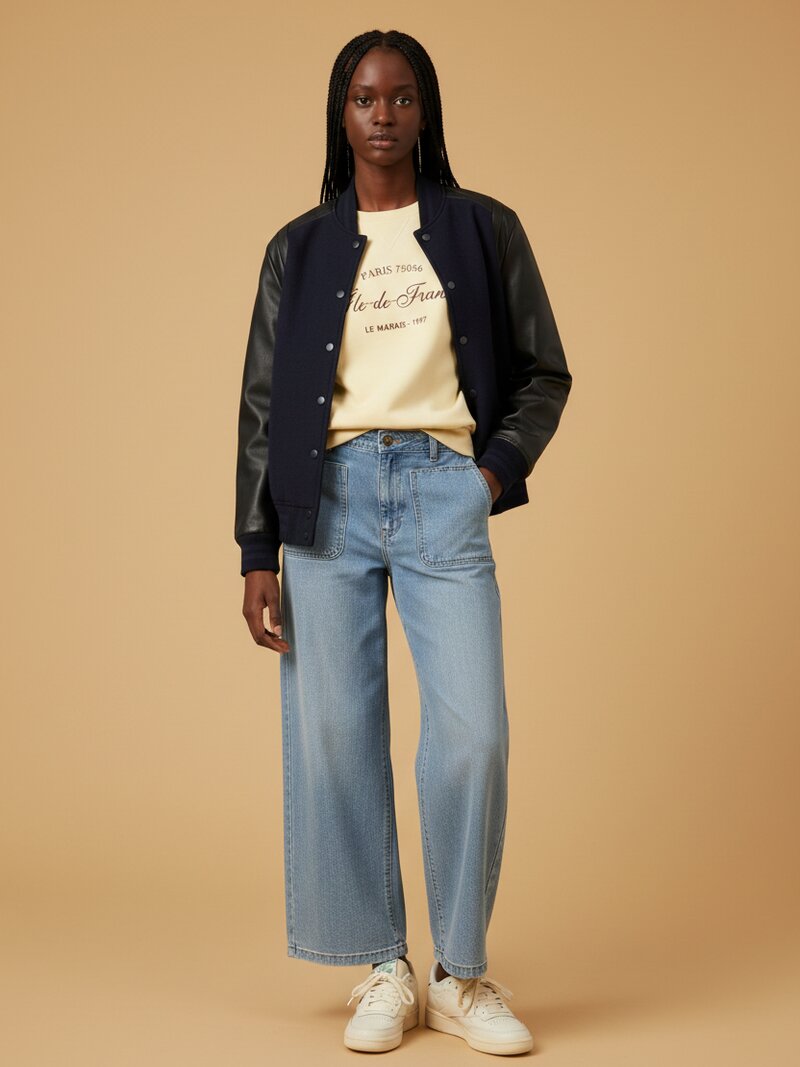
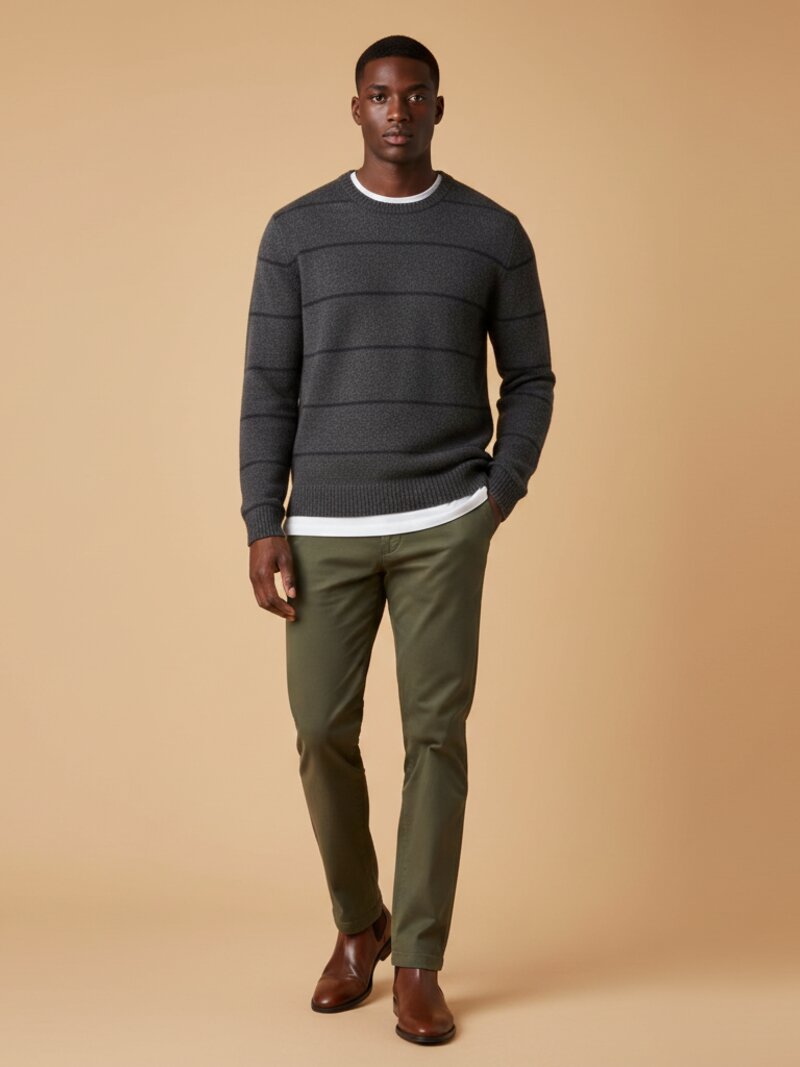
There's a particular kind of guilt that lives in the back of a closet. It's the silk blouse with the tags still on. The shoes that looked perfect online and pinched from the first step. The three near-identical striped shirts you bought months apart, each time convinced you didn't already own one.
According to a 2023 report by ThredUp, the average consumer's closet contains $1,800 worth of clothing they haven't worn in the past year. That's not a statistic about careless people — it's a pattern that affects nearly everyone who shops for clothes.
The question isn't really "how do I stop buying things?" It's more useful to ask: "why do I keep buying things I don't end up wearing?"
The psychology of the unworn
Retail therapy is a phrase so common it's become a cliché, but the mechanism behind it is real. Dr. Kit Yarrow, consumer psychologist and author of "Decoding the New Consumer Mind," identifies two distinct types of clothing purchases: need-based and mood-based. Need-based purchases (your only pair of work trousers has a hole) tend to result in items that get worn. Mood-based purchases (you had a rough week and that jacket just felt right) disproportionately end up in the unworn pile.
The trouble is that shopping environments — both physical and digital — are meticulously designed to trigger mood-based buying. The lighting. The music. The "only 2 left in stock" notification. The algorithm that shows you the perfect thing you weren't looking for at exactly the moment you're most susceptible.
None of this makes you a bad shopper. It makes you a human being responding to professional-grade persuasion.
make this look from your own clothes
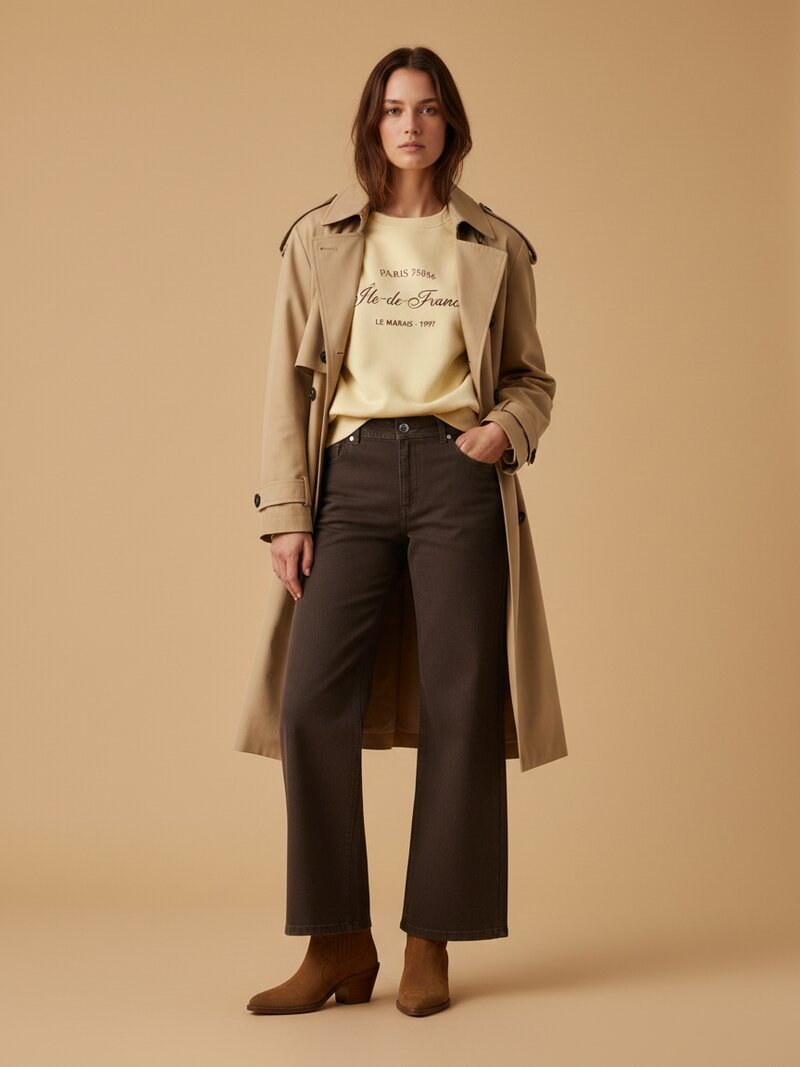
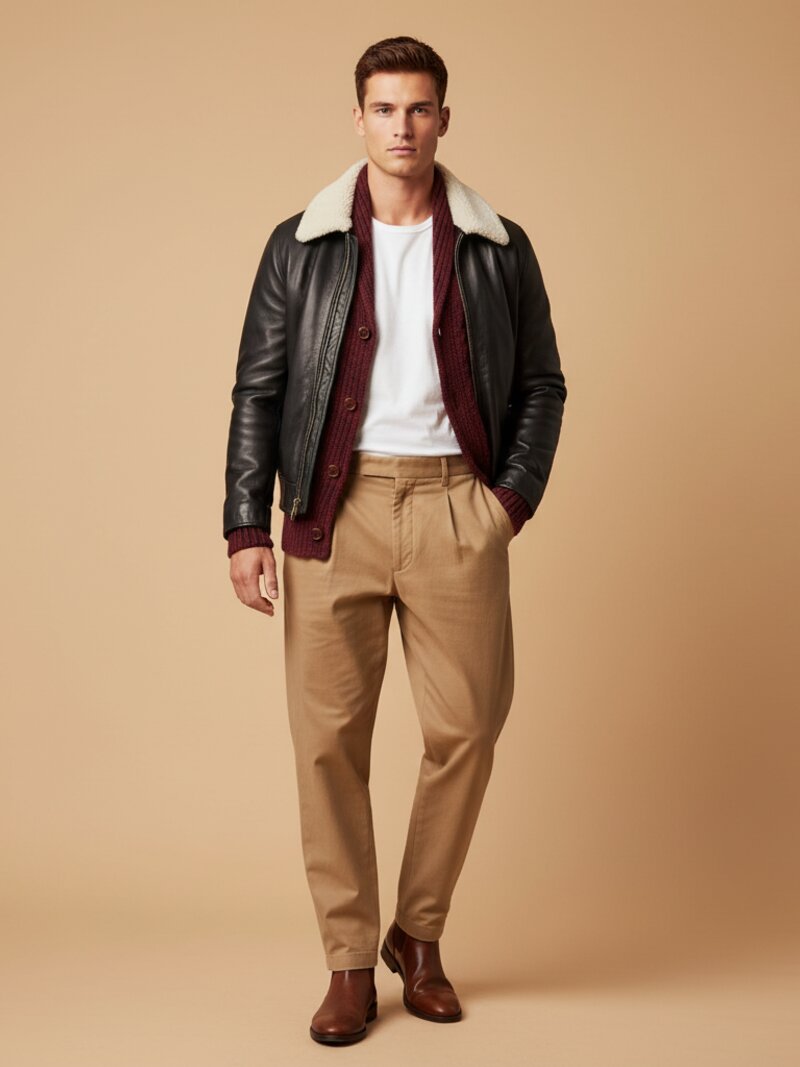
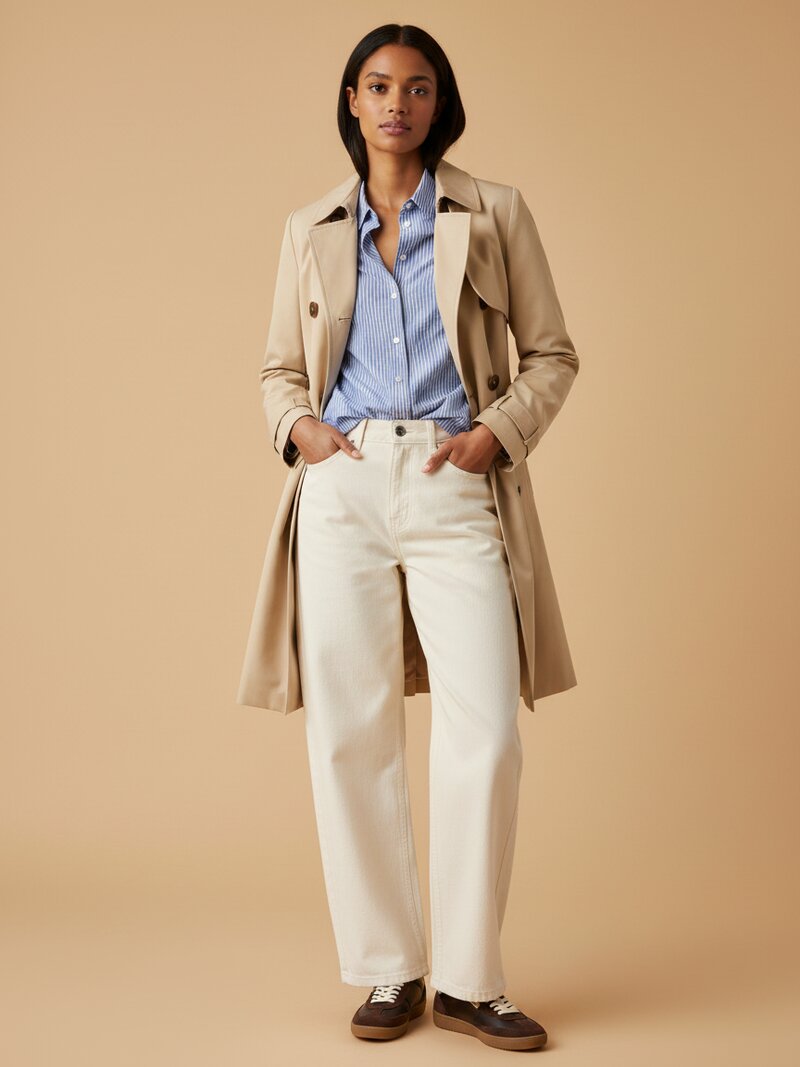
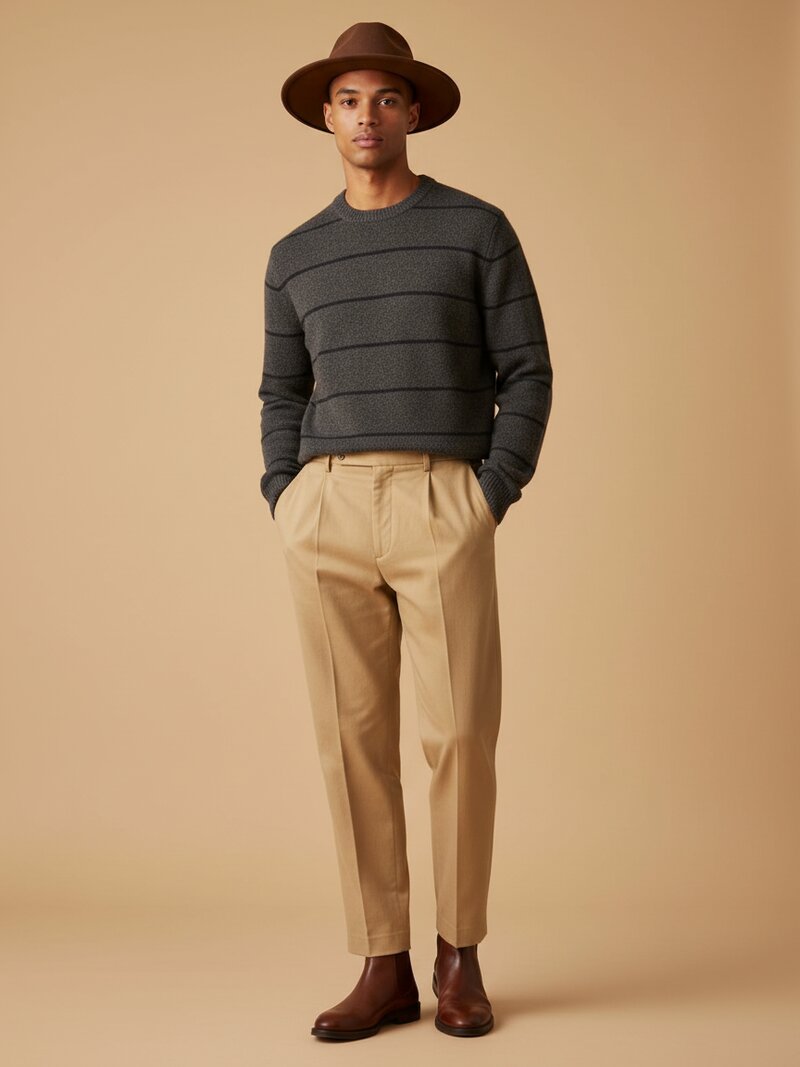
Stop scrolling generic looks. Snap your wardrobe, pick the occasion, and OutfitMaker builds the outfit from clothes you already own — then shows it on a model with Look Preview.
try it freeThe visibility problem
But psychology is only half the equation. The other half is information — or rather, the lack of it.
Quick: how many white tops do you own? How many pairs of dark trousers? How many items in your closet could be described as "something casual for the weekend"?
If you can't answer these questions precisely (and almost nobody can), every shopping trip starts with incomplete information. You buy things you already own because you can't remember what you have. You buy things that don't match anything because you can't visualize your wardrobe as a system. You fill perceived gaps that aren't actually gaps — they're just items you forgot about.
The average wardrobe contains between 80 and 120 items. That's a significant inventory. No shop owner would manage 100 products from memory. Yet that's exactly what we expect of ourselves every time we open a clothing store's website.
The cost of closet blindness
The financial impact is real. A 2024 survey by Closet Maid found that 61% of people feel they "have nothing to wear" despite owning more clothes than at any previous point in their lives. This "closet blindness" — where the volume of clothing makes it harder, not easier, to see your options — drives an estimated $1,500-$2,000 in unnecessary annual spending per person across Western markets.
Beyond money, there's the environmental toll. The fashion industry produces roughly 92 million tonnes of textile waste annually. Extending the life of a garment by just nine months reduces its carbon, water, and waste footprint by 20-30%, according to the Waste and Resources Action Programme (WRAP).
The greenest piece of clothing is the one already hanging in your closet.
What actually works
Here's what doesn't work: willpower alone. Telling yourself "I'll just buy less" has roughly the same success rate as telling yourself "I'll just eat less." Without structural change, the patterns reassert themselves.
What does work is creating systems that address the root causes. These aren't tricks or hacks — they're changes in how you relate to the clothes you already own.
Know your inventory
The single most effective thing you can do is create a complete, visual record of your wardrobe. Not a spreadsheet. Not a mental list. Actual photographs of every piece you own, organized and accessible.
This has two effects. First, it eliminates the "I didn't know I had that" problem entirely. Before buying a new grey cardigan, you can check — in seconds — whether you already own one (you probably do). Second, it shifts your relationship with your clothes from vague awareness to concrete knowledge. You stop guessing and start seeing.
Build outfit visibility
Once you can see your wardrobe as a collection, the next step is seeing it as a system. Which pieces work together? Which ones sit isolated, unable to pair with anything else? Where are the genuine gaps versus the imagined ones?
This is where outfit suggestion tools earn their value. When software analyses your wardrobe and generates combination after combination from what you own, two things happen: you discover possibilities you'd never considered, and you identify the items that truly don't contribute. Both insights reduce the urge to buy.
Implement a waiting period
For any non-essential clothing purchase, wait 48 hours. This isn't about deprivation — it's about letting mood-based impulses fade so you can evaluate the purchase on its actual merits. You'll be surprised how often the urgency evaporates. The item is still available. Your wallet is still intact. And you've lost nothing.
Track cost per wear
Some wardrobe apps now let you track how often you wear each item, calculating a cost-per-wear figure. That $200 jacket you've worn 40 times costs $5 per wear. The $30 top you've worn once costs $30 per wear. This simple metric reframes value in terms of usage rather than price tag — and it naturally shifts future purchases toward versatile, high-usage pieces.
Practice "shop your closet"
Before buying anything new, check whether your existing wardrobe already solves the problem. Need a casual Friday outfit? Generate outfit suggestions from what you own. Packing for a trip? Let the app build combinations from existing pieces. More often than not, the answer is already hanging in your closet.
The plateau effect
Something interesting happens about three weeks into using a wardrobe management system. The initial novelty wears off and you stop discovering new combinations as frequently. This is the plateau — and it's actually important.
The plateau is where habit formation happens. You've already had the excitement of rediscovering forgotten pieces. Now you're settling into a routine where checking your digital wardrobe before shopping becomes automatic. The urge to impulse-buy fades not because you're fighting it, but because the underlying trigger — "I don't know what I have" — no longer exists.
Users who push through the plateau report that their shopping habits change permanently. Not drastically, not overnight, but meaningfully. They buy fewer items, choose more carefully, and report higher satisfaction with their purchases.
The real goal
This isn't about never buying clothes again. New purchases are part of a healthy, evolving wardrobe. A well-managed capsule might add 8-12 new pieces per year — thoughtful additions that fill genuine gaps or replace worn-out essentials.
The goal is to shift from reactive, impulse-driven shopping to intentional, informed purchasing. To know your wardrobe well enough that every new addition has a clear role. To enjoy the things you own rather than constantly reaching for the next thing.
Your closet isn't the problem. Your relationship with it might be. Fix that, and the spending takes care of itself.
See what you already own in a new light. Try OutfitMaker.ai free — digitize your wardrobe, discover hidden outfits, and shop your closet first.