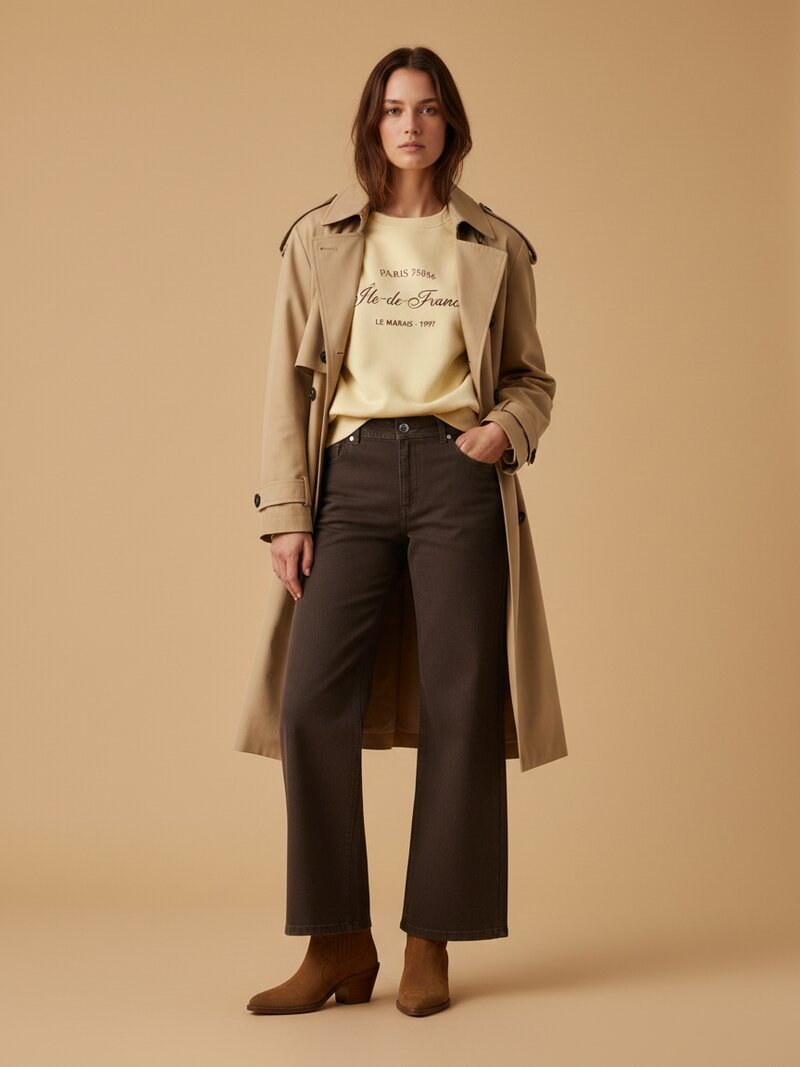
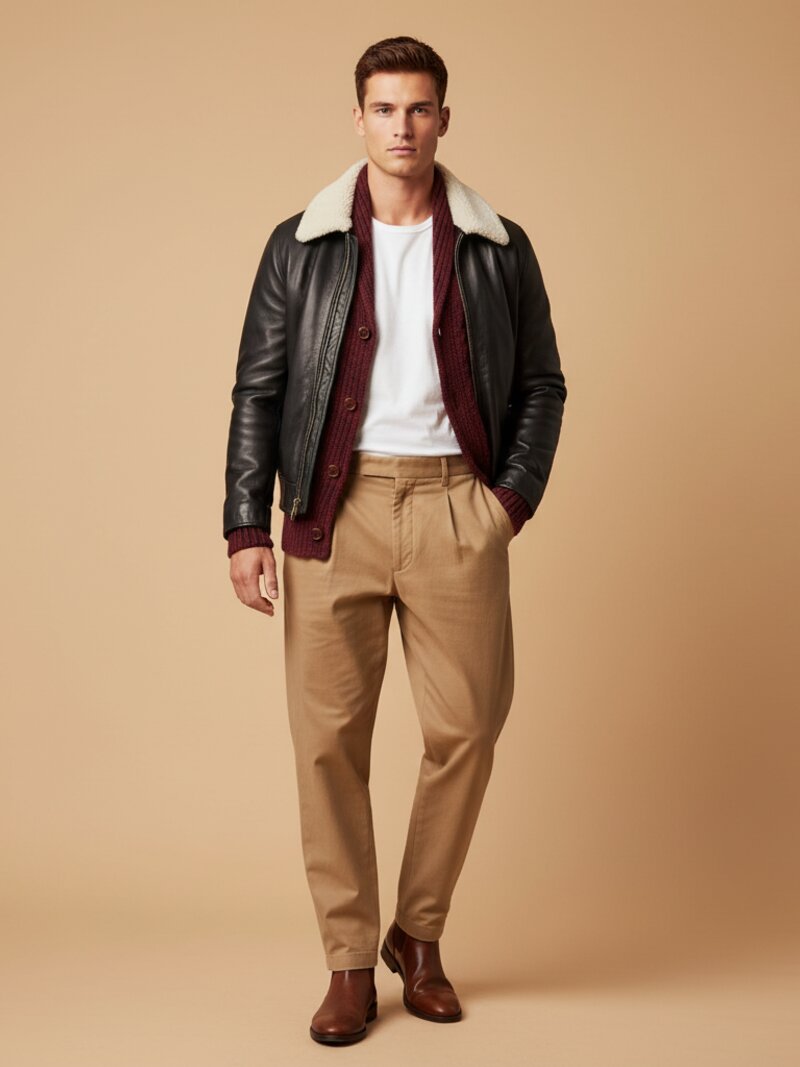
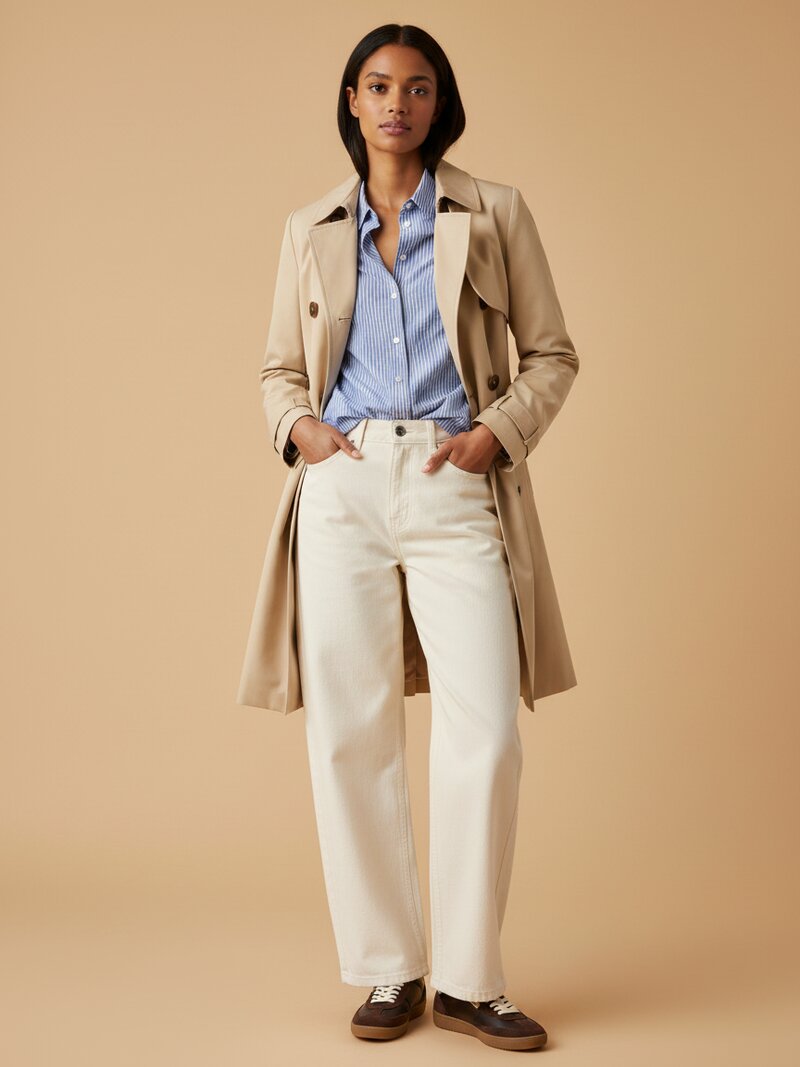
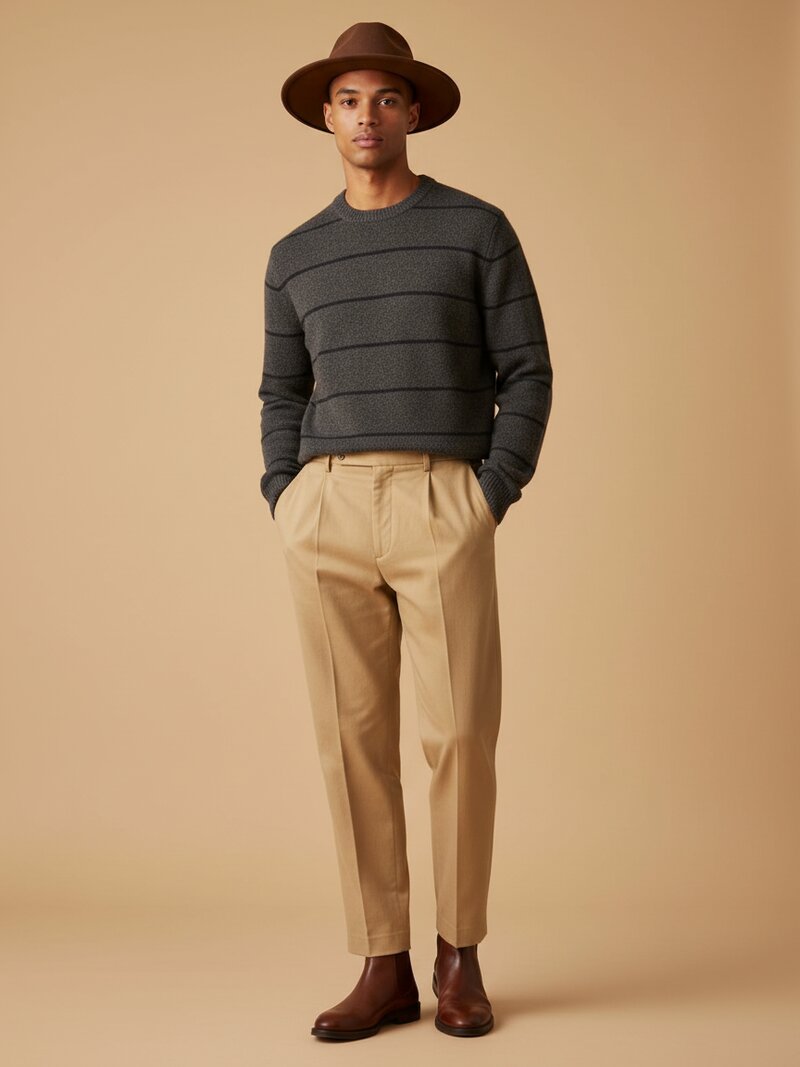
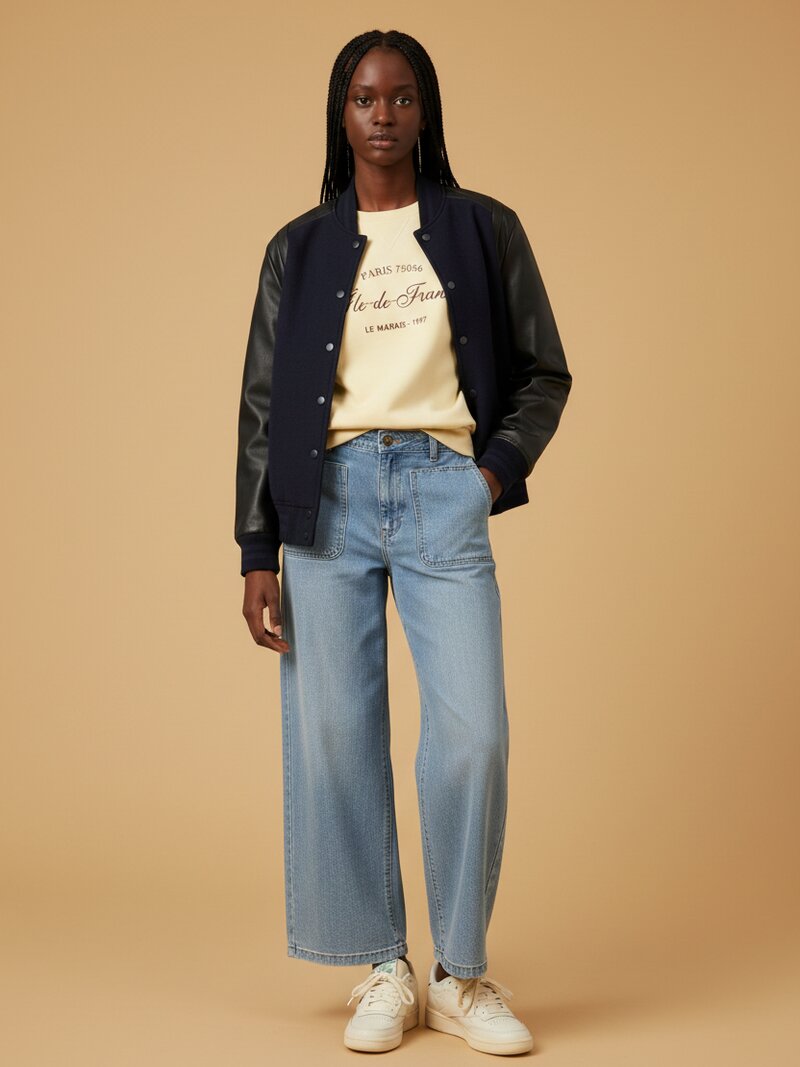
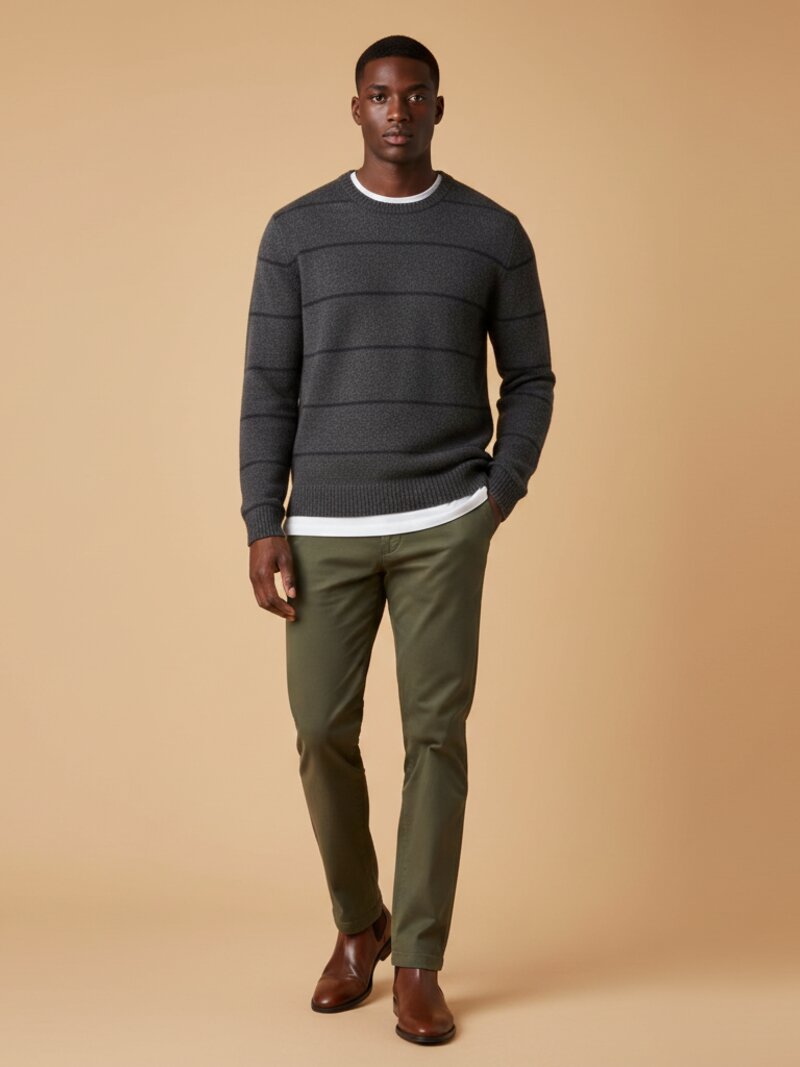
The suggestion sounds borderline obsessive: take a photograph of every piece of clothing you own. Stand by a window, hold up a shirt, snap. Repeat eighty times. Who has time for that?
This is the reaction most people have — right before they try it and realize it takes about thirty minutes, not the full weekend they imagined. And the payoff is disproportionately large compared to the effort.
Here's what happens when your wardrobe exists digitally.
The inventory effect
The first thing people notice is surprise. Not at the technology — at their own closet. When every item is visible on a screen in a clean grid, the redundancies become impossible to ignore. The six nearly identical grey t-shirts. The four pairs of dark jeans that all serve the same purpose. The collection of scarves that somehow multiplied when you weren't looking.
This isn't a judgment. It's visibility. Most people genuinely don't know what they own in aggregate because a physical closet is a terrible interface. Items overlap, hide behind each other, get pushed to the back. The thing you're looking for is always behind the thing you're not. A digital wardrobe is flat, searchable, and complete. Every piece gets equal visual weight.
The psychological effect is immediate: once you can see the full picture, the urge to "fill gaps" that don't actually exist drops significantly. That's worth thirty minutes.
make this look from your own clothes
Stop scrolling generic looks. Snap your wardrobe, pick the occasion, and OutfitMaker builds the outfit from clothes you already own — then shows it on a model with Look Preview.
try it freeHow the process actually works
Modern wardrobe apps have reduced the friction to nearly zero. The workflow is simple enough that calling it a "process" feels generous.
You photograph an item — against any reasonably plain background, in natural light. The software removes the background automatically, identifies the garment type, detects the dominant colours, and suggests tags for style and season. You confirm or adjust. The whole thing takes about 20 seconds per item.
You don't need to do everything at once. Start with what's visible: the items you reach for regularly, the contents of your laundry basket (which, ironically, is a decent representation of your actual wardrobe). Add more over the next few days as you wear and wash things. Within a week, you'll have a comprehensive digital mirror of your physical closet.
Some people find the process oddly satisfying — a kind of meditative inventory that creates a sense of order without requiring you to physically reorganize anything. Your closet stays exactly as it is. But now you can see it clearly.
The combination unlock
This is where the real value emerges. A digital wardrobe isn't just an inventory — it's a styling surface. When software can see all your pieces simultaneously, it can propose combinations that your brain would never arrive at.
The reason is cognitive. When you stand in front of your closet, you process items sequentially — your eyes land on one thing, then another, and you mentally test whether they work together. You're limited by what's physically visible, what you remember, and what you've paired before. Previous habits create deep grooves.
Software has none of these limitations. It evaluates every possible combination in parallel, weighting colour harmony, style compatibility, formality matching, and seasonal appropriateness. The result is often an outfit composed entirely of pieces you own and like individually — but would never have thought to put together.
Users consistently describe a moment of recognition: "I own this? And it goes with that?" The wardrobe didn't change. The visibility did.
The 30-second morning
Once your wardrobe is digital and the app has learned your preferences (which takes roughly a week of use), the morning routine collapses. Open the app. See three outfit suggestions. Pick one. Get dressed.
The time saved per morning is modest — maybe five minutes. But compounded over a year, that's roughly 30 hours of decision-making eliminated. More importantly, the quality of those decisions improves. You're no longer picking the safe default or the first thing your hand touches. You're choosing from curated options built from everything you own.
Several studies have linked reduced morning decision-making to improved focus later in the day. The mechanism is straightforward: willpower and cognitive energy are finite resources. Spending less of them on clothing means more available for the things that matter.
The sustainability dividend
The environmental angle is simple. When you know what you own, you buy less. When you see more outfit possibilities, you wear more of what you have. When you can identify genuine gaps versus perceived ones, your purchases become targeted rather than impulsive.
WRAP (Waste and Resources Action Programme) estimates that extending the active life of clothing by just nine months reduces the carbon footprint of that garment by 20-30%. A digital wardrobe achieves this not through sacrifice or guilt, but through better information.
The most sustainable wardrobe decision most people can make isn't buying organic cotton or shopping secondhand — it's wearing the clothes they already own more often and more creatively. A digital wardrobe makes this effortless.
The barrier that isn't
The most common objection is time. "I don't have time to photograph eighty items." Probably true — in a single sitting. But you don't need to. Five items a day while your coffee brews. Ten items on a Sunday morning. The backlog clears itself within a week or two, and from then on, you photograph new purchases as they arrive — a 20-second habit.
The second objection is vanity: "I'm not the kind of person who needs a wardrobe app." This one's worth interrogating. You use a calendar to manage your time. You use a budget app to manage your money. You use a recipe app to manage your meals. Managing the hundred-plus items you put on your body every day isn't vanity — it's the same basic organizational instinct applied to an area you've been winging.
The third objection is privacy. Your clothes are personal, and photographing them for an app feels intimate. This is a legitimate concern worth investigating for any app you consider — data policies, encryption, deletion options. But the concern shouldn't override the benefit without examination.
Starting small
You don't need to commit to a lifestyle change. Photograph five items today — the outfit you're wearing plus two alternatives. Ask for a suggestion. See what happens.
Most people who try this don't stop at five.
Photograph your first five items in under two minutes. Try OutfitMaker.ai free — background removal and tagging happen automatically.