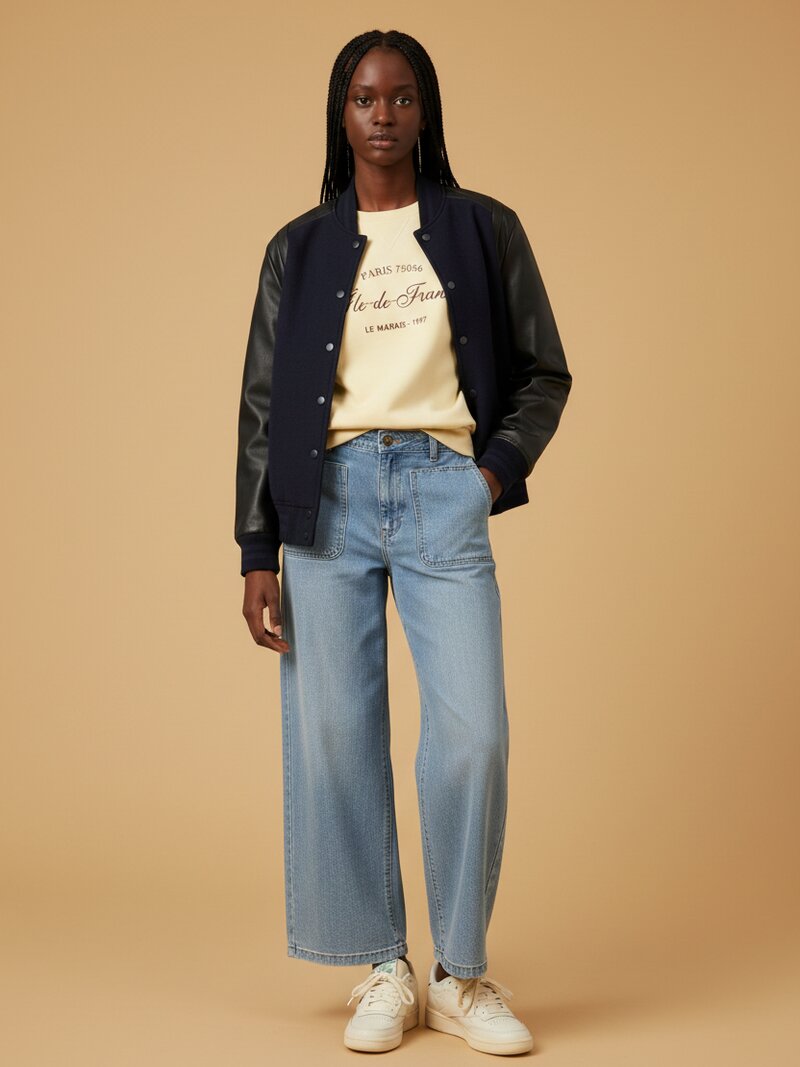
You know the scene. It's 7:14 in the morning. You're standing in front of an open closet, coffee in hand, mentally cycling through the same five outfits you always default to. Somewhere in there is that jacket you bought on impulse in March. You loved it in the store. You've worn it exactly once.
This is the modern wardrobe paradox: most people own between 80 and 120 pieces of clothing, yet consistently reach for fewer than 20. The rest just… hangs there, collecting dust and guilt in equal measure.
The question "what should I wear today?" sounds trivial. It isn't. Decision fatigue is a well-documented phenomenon — every small choice you make before 9 AM chips away at the mental energy you need for the ones that actually matter. A 2019 study from Cornell University estimated that the average person makes over 35,000 decisions per day. Your morning outfit doesn't need to be one of them.
The old approach: rules, capsules, and colour wheels
For decades, the fashion industry's answer to closet chaos has been systems. Capsule wardrobes, colour theory, the "rule of thirds," seasonal purges à la Marie Kondo. These approaches work — in theory. In practice, they require a level of discipline and self-awareness that most of us simply don't have at 7 AM on a Tuesday.
The capsule wardrobe movement, popularized in the 1970s by London boutique owner Susie Faux, promised freedom through constraint: own fewer, better things, and getting dressed becomes effortless. The concept had a major resurgence in the 2010s, driven by minimalism influencers and sustainability advocates. And while the philosophy is sound, the execution is where most people stumble. Building a capsule requires knowing exactly what you own, understanding how each piece works with the others, and being brutally honest about what you actually wear versus what you wish you wore.
That kind of self-audit is precisely what technology does well.
make this look from your own clothes
Stop scrolling generic looks. Snap your wardrobe, pick the occasion, and OutfitMaker builds the outfit from clothes you already own — then shows it on a model with Look Preview.
try it freeEnter the smart wardrobe
A new category of tools has quietly emerged over the past two years — wardrobe apps that don't just store your clothes digitally, but actually think about them. The premise is straightforward: photograph your clothing, let software analyze each piece, and receive outfit suggestions based on what you own, the weather outside, and what you're doing that day.
It sounds like a convenience feature. In practice, it's something closer to a shift in how you relate to your clothes.
The technology behind it is multimodal — meaning the software doesn't just read a text label that says "blue polo." It actually looks at your photo. It sees the shade of blue, the texture of the fabric, whether it's more casual or structured. It understands that your navy linen shirt pairs differently than your navy cotton tee, even though both are technically "blue tops."
This matters because styling is visual. The best outfit suggestions come from understanding nuance — and that's exactly where pattern recognition excels.
What a typical morning looks like
Let's make it concrete. You wake up, open the app, and tap "suggest an outfit." The software already knows three things: your wardrobe (because you've photographed it), today's weather (12°C, light rain expected after 3 PM), and the context you've set (office day, nothing formal).
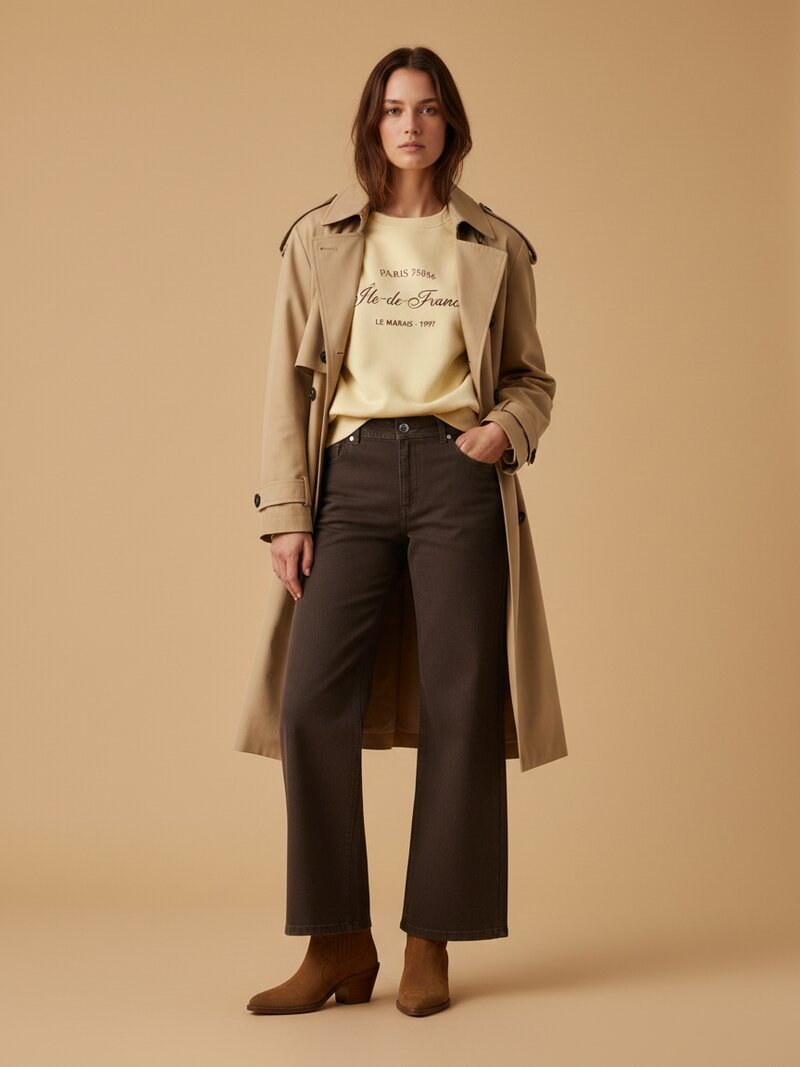
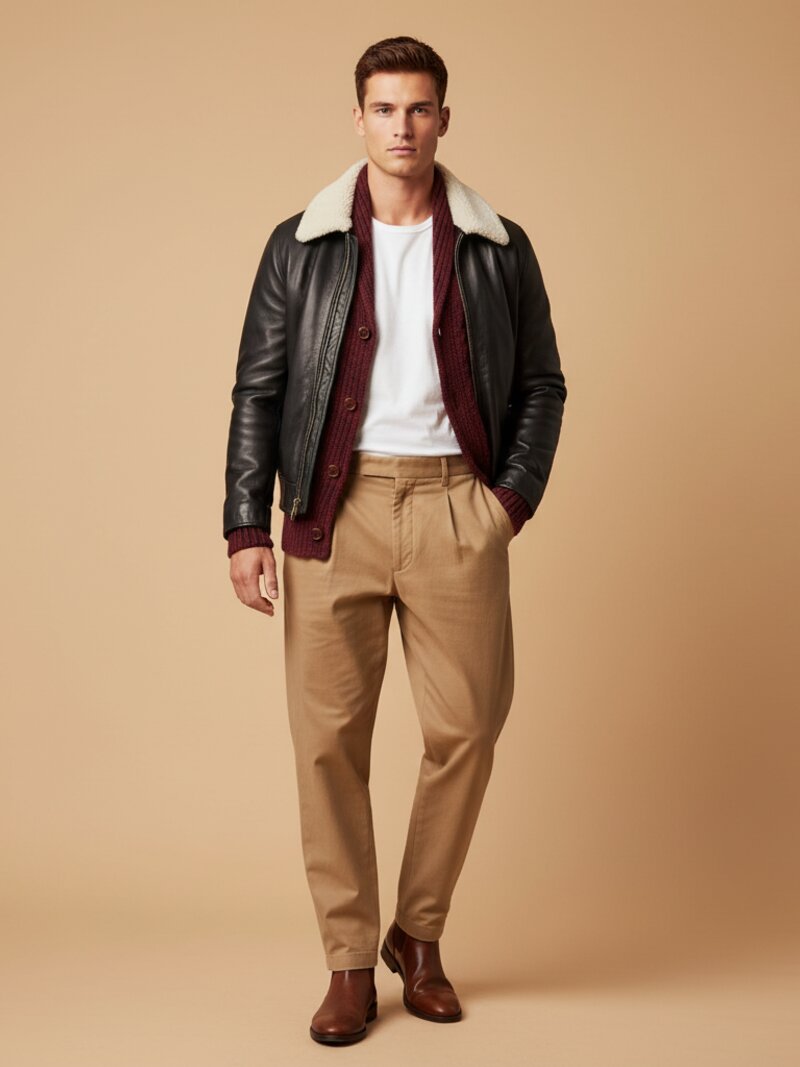
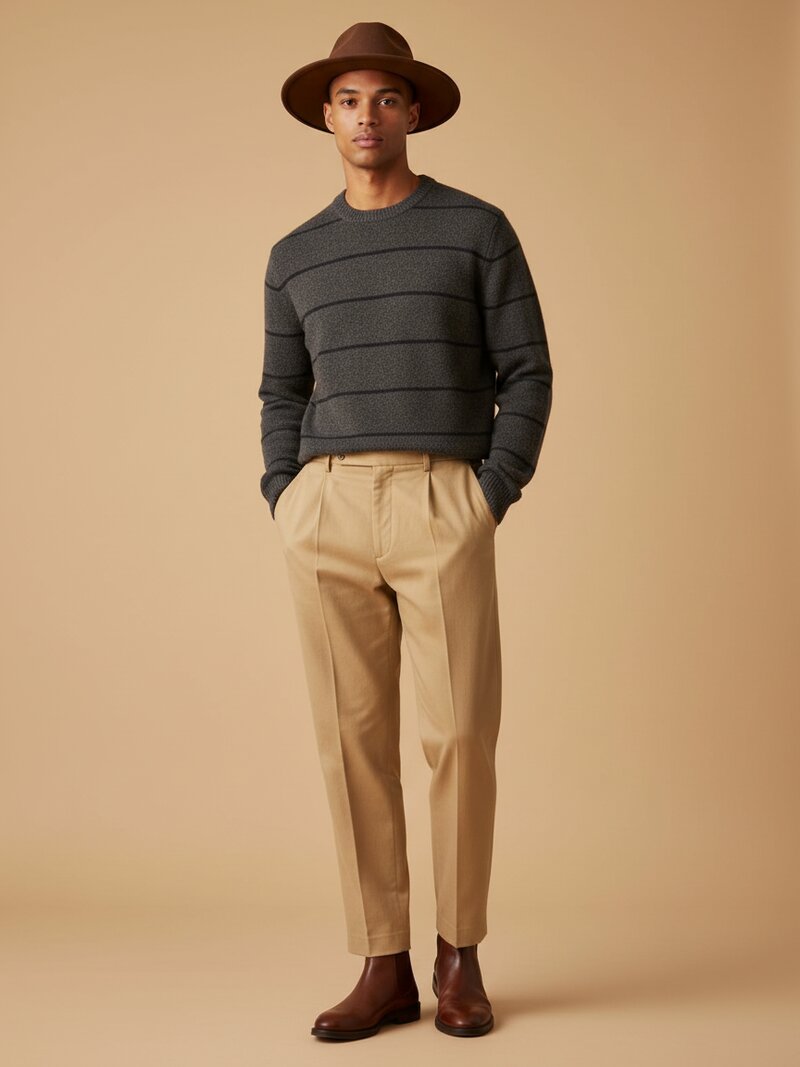
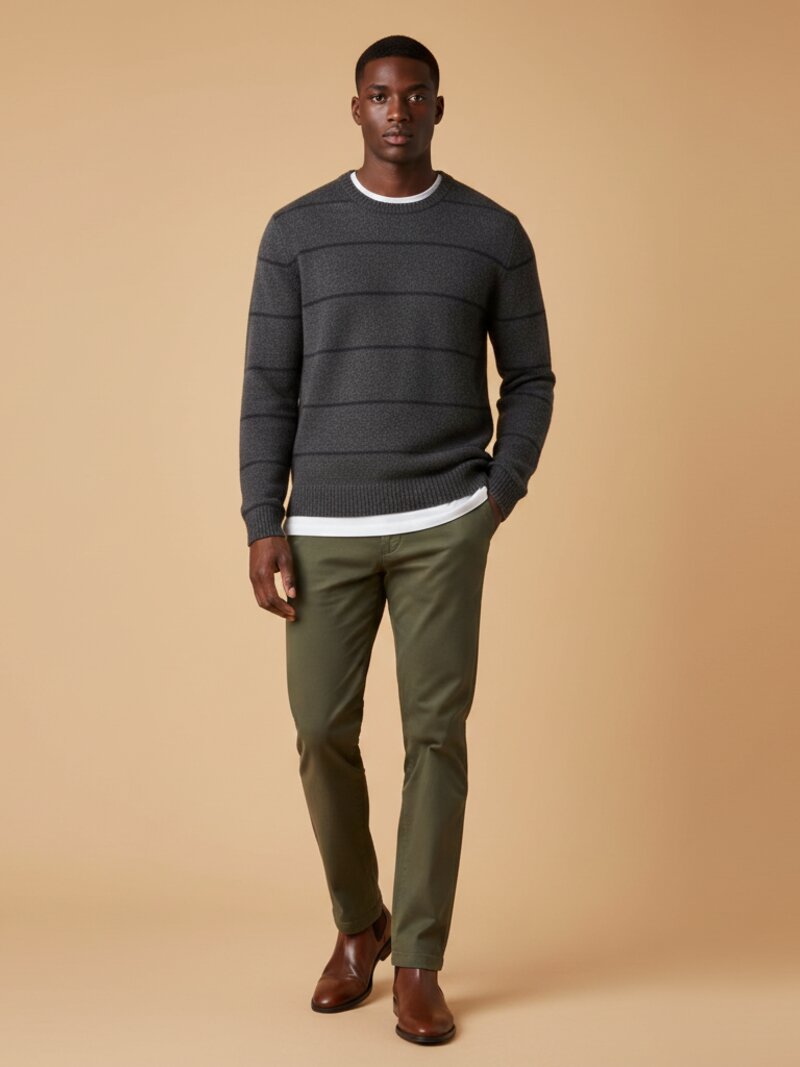
Within seconds, you see three outfit options. Each one is built entirely from clothes you own. The first combines a grey merino sweater with dark olive chinos and your brown leather boots — pieces you've never paired before but that, looking at them together, clearly work. There's a note about why: the colour palette is complementary, the formality levels match, and the sweater's weight is appropriate for the forecast.
You tap "wear this," and you're done. The whole interaction took less time than it takes to boil water.
The rediscovery effect
This is the part that catches people off guard. When your wardrobe is digitized and an algorithm is looking at all of it simultaneously, it finds combinations you'd never reach on your own. Not because you lack taste — but because the human brain is biased. We gravitate toward the familiar. We reach for what's at eye level, what we wore recently, what we know "works."
The software has no such bias. It evaluates every piece with equal weight. That blazer you bought for a wedding and forgot about? It works beautifully with your everyday jeans. Those rust-coloured trousers you never know how to style? They pair perfectly with three different tops you already own.
Users of wardrobe apps consistently report the same thing: the most surprising suggestions are often the best ones. You end up wearing more of what you already own — which is, incidentally, the most sustainable fashion choice you can make.
The sustainability angle
The fashion industry produces roughly 92 million tonnes of textile waste annually, according to the Ellen MacArthur Foundation. The most powerful tool against overconsumption isn't a boycott or a manifesto — it's visibility. When you can see everything you own, organized and accessible, the urge to buy something new because you "have nothing to wear" evaporates.
A study by Heriot-Watt University analyzing nearly 6,000 wardrobe app users found that people who digitize their closets buy fewer new items and wear existing pieces more frequently. The mechanism is simple: when you know what you have, you stop duplicating. When you see outfit possibilities you hadn't considered, you stop impulse-buying to fill perceived gaps.
Not just for the fashion-obsessed
There's a common misconception that wardrobe apps are for people who care deeply about fashion. In reality, the opposite is often true. The people who benefit most are those who want to spend less time and energy thinking about clothes — not more.
If you're someone who has a closet full of perfectly good clothing but still feels stuck every morning, you're the ideal user. If you've ever bought a new shirt for an event because you forgot you already own three that would work, this is for you. If you just want to look put-together without it becoming a project, the technology exists to make that happen.
The question isn't really "what should I wear today?" It's "why am I still guessing when I don't have to?"
How to start
The barrier to entry is lower than you'd think. Most wardrobe apps follow the same basic flow:
Photograph your clothes — a few at a time, no need to do everything at once. Natural light, simple background, one piece per photo. The software handles background removal and tagging automatically.
Start with your go-to items. The 15-20 pieces you actually reach for. You can add the rest over time.
Once you have a handful of items logged, ask for a suggestion. The results improve as your digital wardrobe grows, but you'll see useful combinations from as few as five or six pieces.
From there, it becomes a daily habit — open, tap, dress. The morning closet stare becomes a thing of the past.
Tired of the morning outfit debate? Try OutfitMaker.ai free — photograph your clothes, get outfit suggestions in seconds. No credit card required.