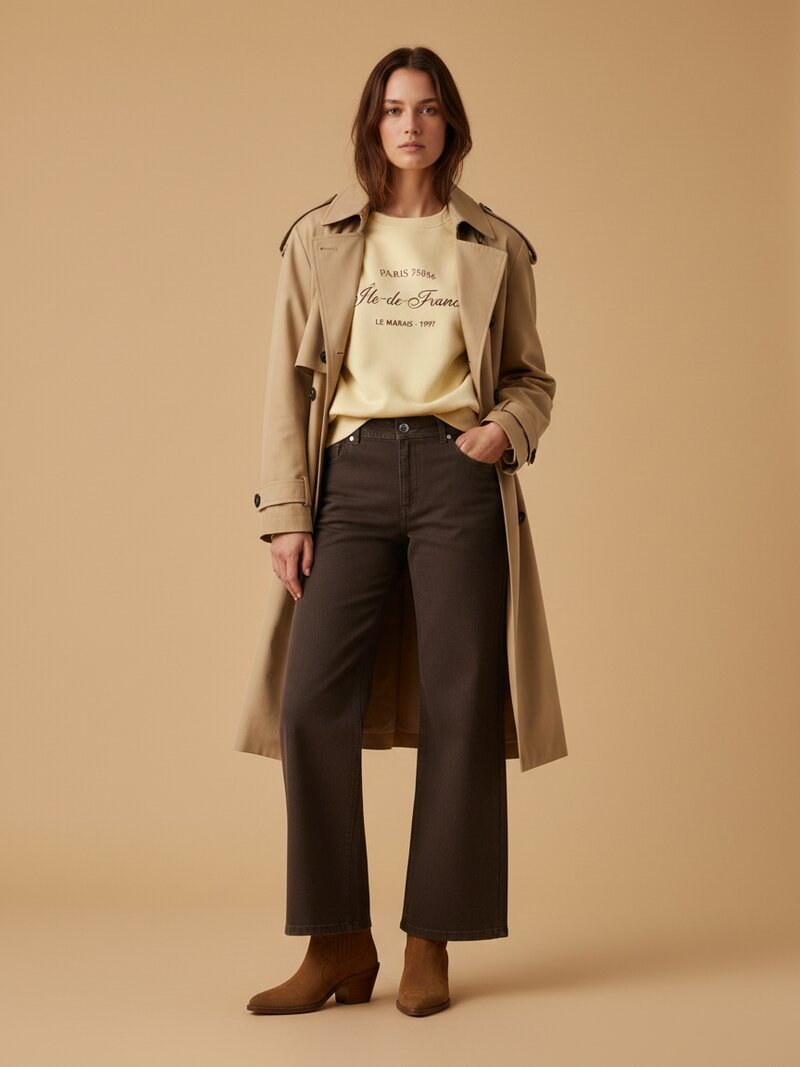
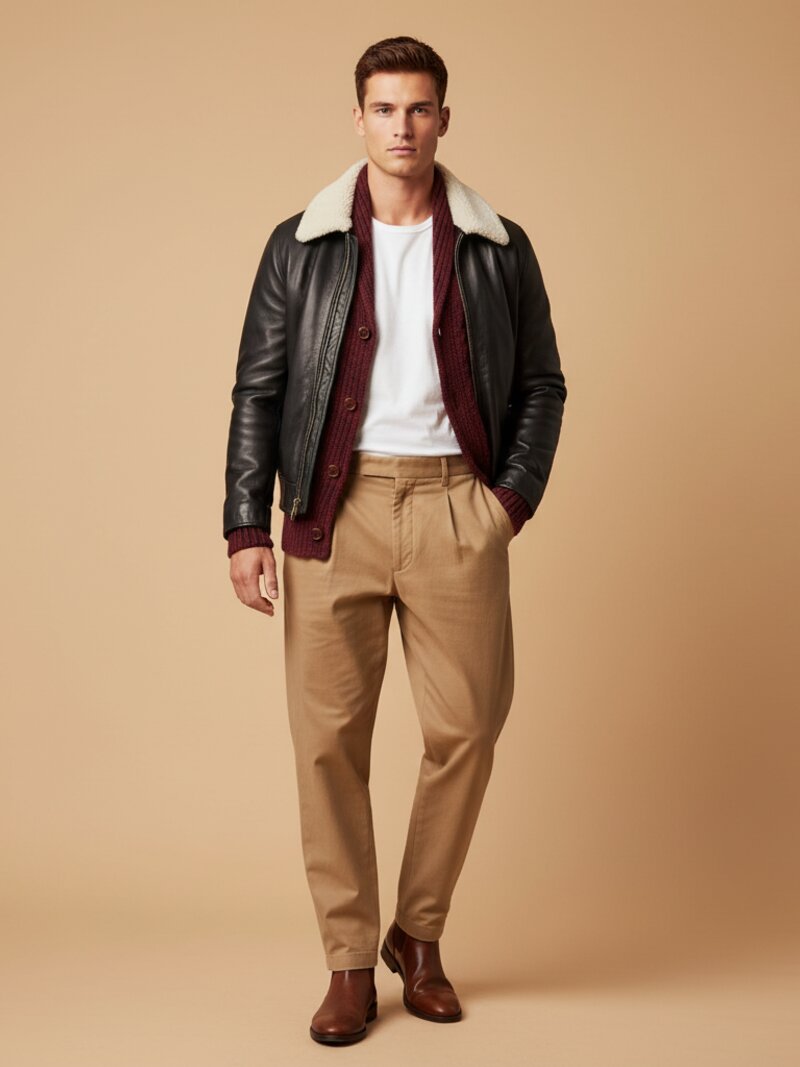
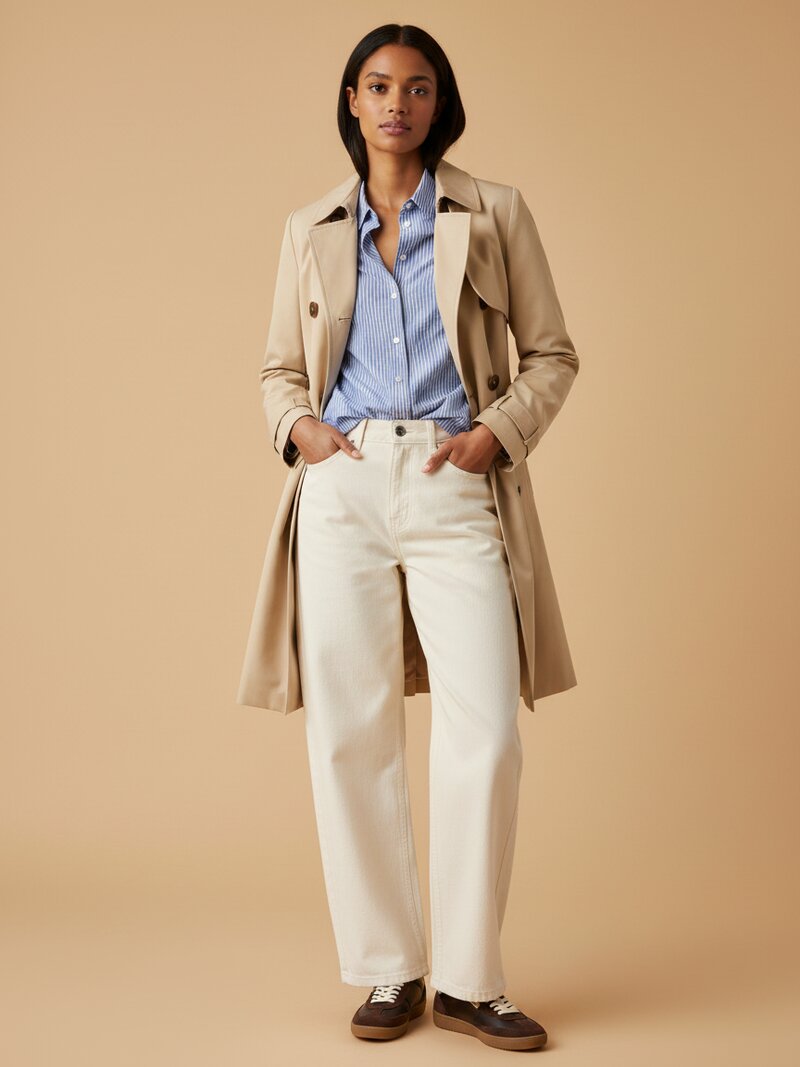
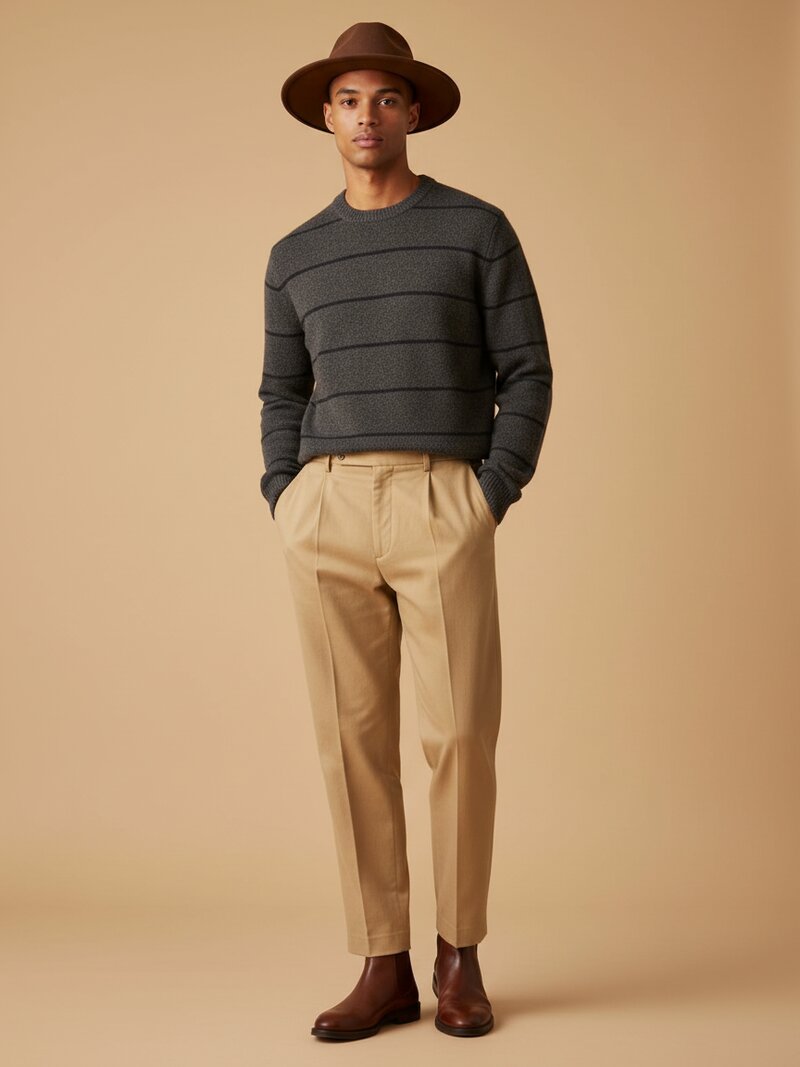
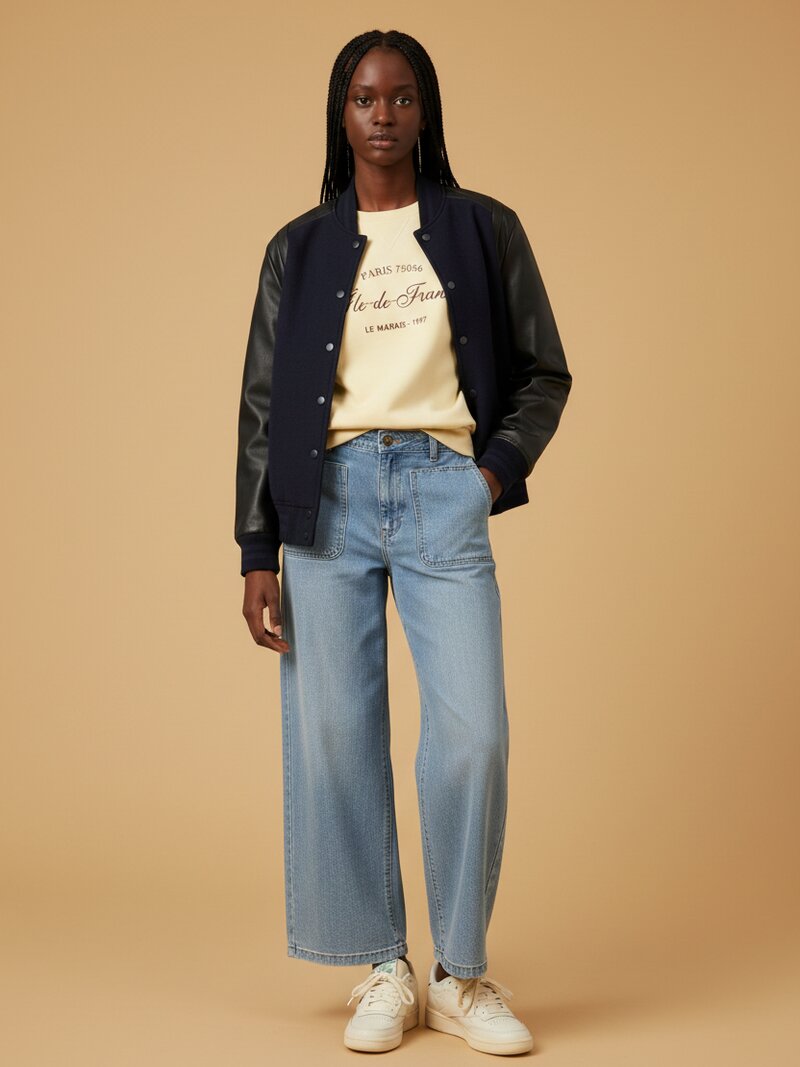
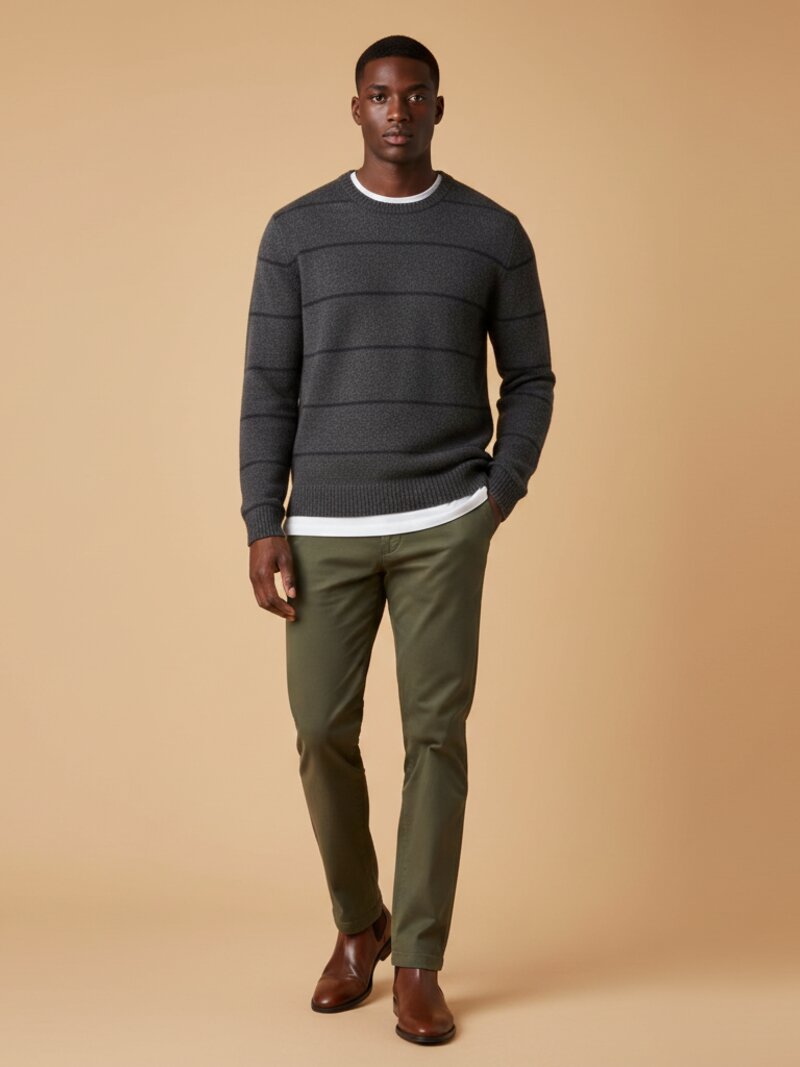
The capsule wardrobe has been a fashion concept for half a century. Susie Faux coined the term in 1973, describing a collection of essential items that wouldn't go out of fashion — pieces you could supplement with seasonal additions year after year. Donna Karan turned it into a movement in 1985 with her "Seven Easy Pieces" collection. And in 2015, it surged again when blogger Caroline Rector documented living with just 37 items for three months.
The idea has endured because it solves a real problem. But the execution has always been the hard part.
How do you decide what stays and what goes? How do you know if 30 pieces is the right number, or 40, or 22? How do you ensure that every remaining item actually works with the others?
These are fundamentally analytical questions. And in 2026, there are better tools for answering them than intuition and a floor full of clothes.
Why most capsule attempts fail
Let's be honest about the dropout rate. Most people who attempt a capsule wardrobe abandon it within the first month. The reasons are predictable.
The purge is emotionally exhausting. Holding up each item and asking "does this spark joy?" sounds meditative in theory. In practice, it's three hours of guilt, nostalgia, and decision fatigue — often ending with everything going back on the hanger because nothing felt clear-cut enough to discard.
The planning is overwhelming. A true capsule requires understanding colour harmony, formality matching, seasonal appropriateness, and lifestyle coverage. That's a lot to hold in your head simultaneously. Professional stylists spend years developing this instinct. Expecting yourself to master it in an afternoon is optimistic.
The gaps are invisible until they're not. You triumphantly reduce your wardrobe to 35 pieces, feel great about it for a week, then realize you have nothing appropriate for a work presentation because you donated your only blazer in the purge. Now you need to buy something new — which defeats the entire point.
make this look from your own clothes
Stop scrolling generic looks. Snap your wardrobe, pick the occasion, and OutfitMaker builds the outfit from clothes you already own — then shows it on a model with Look Preview.
try it freeWhere technology changes the equation
The bottleneck in capsule wardrobe building has never been willpower. It's information. You need to know, with precision, what you own, how each piece relates to the others, and where the gaps are before you start removing things.
This is exactly what a digital wardrobe provides. When every item you own is photographed, categorized, and analysed, the decisions become data-driven rather than emotional.
Here's what becomes visible when your wardrobe is digitized:
Redundancy. You don't just think you might have too many black tops — you can see that you own nine of them, three of which are nearly identical. The decision to keep the best two is suddenly obvious.
Gaps. Instead of guessing what's missing, software can identify it concretely: you have 12 tops and 8 bottoms but only 2 pairs of shoes that work across multiple outfits. The shoe collection is the weak link, not the tops.
Versatility scores. Which pieces appear in the most outfit combinations? Which ones only work with one specific partner? The items with the highest versatility are your capsule foundation. The ones that only pair with one thing are the first candidates for removal.
Colour coverage. A good capsule has a cohesive colour palette — neutrals for the base, 2-3 accent colours for personality. When you can see all your pieces together digitally, colour imbalances become immediately apparent.
Building a capsule: the modern method
Forget the floor piles and the Marie Kondo guilt. Here's a more effective approach.
Step one: digitize before you decide
Photograph everything. Not just the things you think you'll keep — everything. The point is to have complete information before making any decisions. Use a wardrobe app that handles background removal and tagging automatically. This takes most people 30-60 minutes for their main wardrobe, spread across a couple of sessions.
Step two: analyse the data
Once your wardrobe is digital, patterns emerge. Look at the category breakdown: how many tops, bottoms, dresses, outerwear, shoes, accessories? Most people are shocked at the imbalance. A 4:1 ratio of tops to bottoms is common — and it's a problem, because every outfit needs both.
The ideal capsule ratio varies by lifestyle, but a useful starting point is roughly equal numbers of tops and bottoms, with shoes, outerwear, and accessories making up about 25% of the total.
Step three: let the software find combinations
This is where modern tools earn their keep. Ask for outfit suggestions from your full wardrobe — not a curated subset. The software will naturally gravitate toward your most versatile pieces. After generating 15-20 outfits, you'll notice that certain items appear repeatedly while others never show up. The items that appear in multiple combinations are your capsule core.
Step four: identify the non-performers
Any item that doesn't appear in at least two or three different outfit combinations is a candidate for removal. This isn't a moral judgment about the piece — it might be beautiful, high-quality, and expensive. But if it doesn't play well with the rest of your wardrobe, it's not capsule material.
Some non-performers are worth keeping for specific occasions (a formal suit, a cocktail dress). But they should be stored separately from your daily capsule, not taking up prime closet real estate.
Step five: fill the real gaps
With a clear picture of what stays and what goes, the actual gaps become obvious. Maybe you need one good pair of dark trousers that bridges casual and professional. Maybe you're missing a lightweight jacket for spring. These are targeted purchases with a specific role — the opposite of impulse shopping.
The numbers question
"How many items should a capsule wardrobe have?" is the most common question, and the answer is unsatisfying: it depends. Your lifestyle, your climate, your profession, and your personal comfort level all factor in.
That said, most practical capsules fall between 25 and 45 items, including shoes and outerwear but excluding underwear, sleepwear, and workout clothes. A 2024 survey by fashion platform Indyx found that their most engaged users — those who reported the highest satisfaction with their wardrobes — averaged 33 items in their primary rotation.
The number matters less than the versatility. A 30-piece wardrobe where every item works with at least three others gives you over 100 potential outfit combinations. A 60-piece wardrobe with poor cross-compatibility might give you fewer options than half the clothes.
Seasonal rotation
A capsule wardrobe doesn't mean owning only 30 things forever. Most people maintain a seasonal rotation: a spring/summer capsule and an autumn/winter capsule, with some year-round pieces that appear in both.
When your wardrobe is digital, seasonal transitions become simple. Tag items by season, filter your view, and build your next capsule from what you already own — adding only what's genuinely missing. The software remembers what you had last spring, so you're not starting from scratch each time.
The unexpected benefit
People who successfully build a capsule wardrobe often describe the same paradox: having fewer choices makes getting dressed more enjoyable, not less. When every option in front of you is a good one, the pressure disappears. You're choosing between three excellent outfits instead of scrolling through 40 mediocre possibilities.
Fashion psychologist Carolyn Mair, author of "The Psychology of Fashion," describes this as "cognitive ease" — when the number of choices is manageable, decision-making shifts from stressful to pleasurable. Your wardrobe stops being a source of anxiety and becomes something closer to a curated toolkit.
That might be the best argument for the capsule approach: not that you'll own less, but that you'll enjoy what you own more.
Ready to build your capsule? Try OutfitMaker.ai free — photograph your clothes, see which pieces work hardest, and discover the capsule hiding inside your closet.